2022 Week 18 Training Log

May 2 – May, 2022

Mark Brown

May 8, 2022

Monday
Scheduled Day Off – Recovery

Tuesday
Bench Press, Cambered Bar – 175 x 6, 225 x 3, x 3, x 3, x 3; 245 x 3, x 3, x 3, x 3: 255 x 3, x 3
Cambered Bar Hold – 225 x 1:30 x 4
Narrow Grip Incline Press – 225 x 3, x 3, x 3, x 3; 235 x 3, x 3, x 2
Log Press – 141 x 3, x 3, x 3, x 3; 151 x 3, x 3, x 3, x 2
Flat Dumbbell Press – 100 x 10, 110 x 6, 115 x 4
Seated Overhead Dumbbell Press – 55 x 12, 60 x 8

Wednesday
Unscheduled Day Off – Recovery

Thursday
Box Squats, SSB – 155 x 6, 245 x 3, x 3; 295 x 3, x 3; 315 x 3, x 3, x 3, x 3; 335 x 3, x 3; 345 x 3, x 3
Assisted Box Squats – 385 x 6, 405 x 3, x 3; 425 x 3, x 2
Banded Deadlift – 225 w/ 40 lb x 3, x 3, x 3, x 3; 225 w/ 70lb band x 3, x 3, x 3, x 3
Barbell Rows – 185 x 6, x 6, x 6, x 6
Calf Raises – 335 x 15, x 15, x 15, x 15, x 15
Good Mornings, SSB – 155 x 6, x 6, x 5

Friday
Chest Press, ACB Superset 3rd grip-4th grip-2nd grip – 138 x 6 (x 6)(x 6), 198 x 6 (x 6)(x 6), 218 x 3(x 3)(x 2), 218 x 3(x 3)(x 2), 218 x 3(x 3)(x 2), 218 x 3(x 3)(x 2); 228 x 2(x 3), 228 x 2(x 3), 228 x 2(x 3)
Seated Overhead Press – 128 x 6, 138 x 6, 148 x 3, x 3; 158 x 3, x 1
Floor Press – 235 x 3, x 3, x 3, x 3; 245 x 3, x 3, x 3, x 3

Saturday
Tricep Pushdowns, Pyramid – 45 x 15, 55 x 15, 65 x 15, 75 x 15, 90 x 10
Preacher Curls, Wide Grip Superset with Pushdowns – 45 x 15, 65 x 12, 85 x 12, 95 x 12
Lat Pulldown – 90 x 12, 115 x 12, 125 x 10, 140 x 8
Preacher Curls, Narrow Grip Superset with Lat Pulldown – 95 x 12, 85 x 12, 65 x 20, 45 x 20
Side Lateral Raises – 15 x 10, 20 x 8, 25 x 6
Skullcrushers superset with Tricep Extension, EZ Curl Bar – 45 x 12 (x 10), 75 x 12 (x 10), 85 x 10(x 10)
Standing Curls, superset with Skullercurshers – 45 x 12, 75 x 12, 85 x 12
Grenade Chain – 45 x 8(x 8)(x 8), 50 x 8(x 8)(x 8)

Sunday
Front Squat – 135 x 6, 185 x 3, x 3, x 3, x 3; 225 x 2, x 2
Sumo Deadlift – 315 x 3, x 3, x 3, x 3, x 3, x 3, x 3, x 3
Leg Press – 658 x 12, 748 x 12, 838 x 12
Cable Rows – 42.5 x 12, 50 x 12, 60 x 12, 70 x 12
Prone Leg Curls – 65 x 12, 80 x 12, 95 x 10
Calf Raises – 100 kg x 50, 120 x 40, 140 x 30, 160 x 15
Adduction – 295 x 15, x 15, x 15, x 15, x 15

Steps/Miles
Monday – 28,217 steps, 14.5. Tuesday – 32,080 steps, 16.5 miles. Wednesday – 29,991 steps, 15.5 miles. Thursday – 27,233 steps, 13.5 miles. Friday – 31,795 steps, 16 miles. Saturday – 13,042 steps, 6.7 miles. Sunday – 5654 steps, 2.8 miles. Total – 168,012 steps, 85.5 miles.

Notes

This week was the first, and hopefully last, week of a change at work. They have decided to make my job harder than necessary. That has had the effect of making my lower back much tighter and my feet sore from all the movement. I felt recovered by Friday night but before that it was all kinds of tight and/or sore.

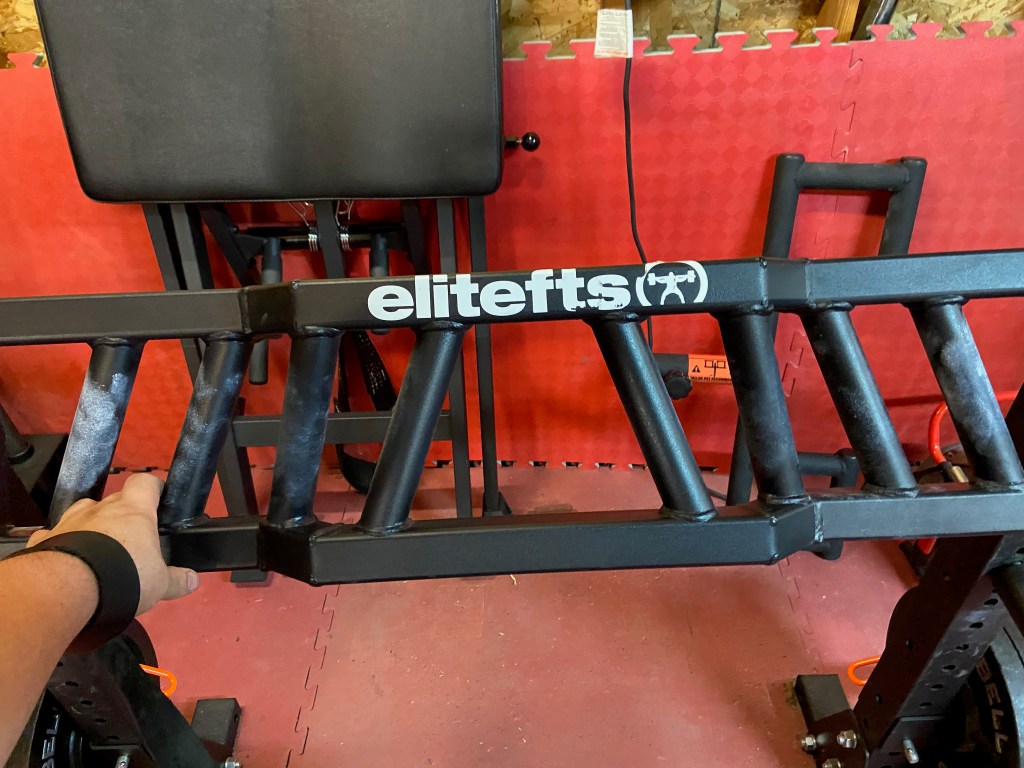
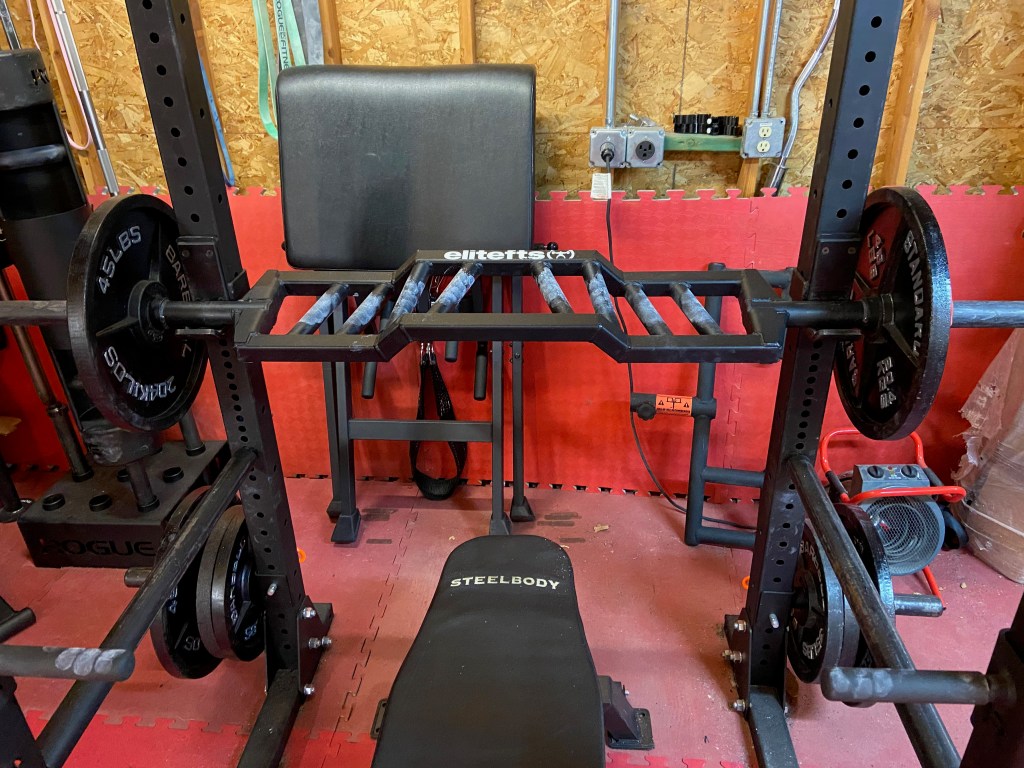
The second week of pressing with the cambered bar went well, even if the rep count didn’t change much. The cambered bar holds showed improvement this week. I was able to hold the bar out without the bar wobbling as badly as last week. That will pay off down the road. It may sneak into the rotation more often.

Even with my back feeling achy and sore, the overhead presses went well. That kind of surprised me but lets me know I’m making progress with shoulders. Presses below 140 pounds are becoming quite easy.

Front squat went better this week using the trick with straps to hold the bar in a closer front rack position. It’s still quite uncomfortable and Still a bit painful where the bar sits on collarbone and front felt but it was bearable. The lift is hard enough.



Anatomy of an Excuse

Mark Brown

May 6, 2022

Any reason used to deflect any level of culpability for something that happened or didn’t happen is an excuse, regardless of its legitimacy. People love explanations for why things happen. It’s a big part of why I ended up with a BA in History with a minor in Rhetoric from Drake University in 2008. Over the last couple years of strength training I have found my standards for explanations versus excuses has changed. I am much more strict in what I deem to be the former and the latter. A large part of that has come from how much more intense my commitment to strength training has become since moving the bulk of my lifting to the garage. In this essay, I am looking at the various “body parts” of excuse and why they are all detrimental to future success.

Anywhere there is success, there is failure. Explanations help us understand why situations turned out the way they did and what we can do next time to either repeat or avoid what happened. Sports in general is a place where that is at its most easily visible because there’s a scoreboard, even in judged sports. For athletes and coaches, explaining failure is something that everyone will experience at some point because nobody is undefeated. For other avenues of life where there’s no scoreboard to illuminate winning and losing, decisions made becomes a way to track success or failure. I would not write that success or failure is a zero sum game because there is always success embedded in failure and vice versa. How one explains what happened, especially failure, is a key component of future success.

Anyone who doesn’t take ownership of a failure damages potential successes in the future because they are missing a necessary part of the examination process. Taking ownership of the failure is the first step towards correcting it. When that first step isn’t taken, the important work of why something went wrong gets delayed. Worse yet it can color how one sees the failure causing them to ask the wrong questions or the wrong people about how to fix it. Deflecting culpability isn’t usually done when being questioned about how to catch or throw a ball better. Failure during training is expected because there is a degree of experimentation being done during it. Examining what works and doesn’t plays an essential role in success and failure.

Deflecting blame away from oneself usually involves defending the decisions one made to cause a failure. We see it in professional athlete’s press conferences and interviews all the time. Some of the more obvious ones are ridiculous at their core. One of the worst is former WBC heavyweight Deyontay Wilder’s blaming his ring entrance attire after his loss to Lineal Heavyweight Champion Tyson Fury in 2021. By his accounts the outfit weighed close to 40 pounds so there could be some legitimacy there, but to use it as a reason for defeat screams “EXCUSE!” in the loudest possible way. Travis Kelce, tight end for the Kansas City Chiefs, lamenting the fact that both offenses weren’t guaranteed a possession in the overtime in the 2018 AFC title game to radio show host Rich Eisen sounds to me like an excuse. Bill Belichik, head coach and general manager of the New England Patriots, using the complicated nature of the NFL salary cap during a radio interview to explain why they only had so little money to pay a quarterback in 2020 is exceedingly legitimate. It is also an excuse.

Decision making is something we do every minute and it shows who we are and what we value much more than words do. I first heard the way Colin Cowherd put it on his radio show a few times: “People tell you who they are all the time, you just have to listen.” When a decision that has negative consequences gets questioned, defending it triggers our fight or flight response. Either of these responses can produce an excuse by the questioned. In my experience, the flight response triggers more of them because it’s easier to give a half hearted reason and figure out the real reason later than taking ownership then and there. Professional athletes and coaches get these questions all the time in post game press conferences regarding decisions made during it. For the rest of us, most of those decisions don’t involve games or training because there are no cameras on us. The same fight or flight response is engaged when talking about not making it to the gym, being late to a child’s ballgame or any of the other things we have to do in our daily lives. The same kind of reflection and behavior study that athletes do applies to us out here in “real life.” The more one does it, the more prepared they will be when called on to explain actions taken or not taken.

The problem with explanations that deflect culpability is that they take truths and/or facts and use them to create false narratives or lead to an intended position, mostly though omission. That makes an excuse a lie or just as damaging as one. The part of an excuse that includes falseness through action or omission is enough to change the meaning of the statement being given. At best, when one gives an excuse they are lying to themselves. This here is why most people don’t make progress in the gym, relationships or at a hobby they take seriously. Things like effort, intensity and focus are all things people, including myself, overestimate in themselves all the time. What these 3 words mean is the key to make progress in whatever it is one does. As a result, a lot of excuses come at the expense of these 3 words. At worst, excuses are lies to other people. Those lies are pretty easily seen through and takes us back to the words of Colin Cowherd. The lies might be done for the sake of public decorum or withholding information but are still damaging nonetheless.

During the summer and fall of 2020, where I work was having an extremely hard time getting people to join the company. They gave a long list of reasons why it was the case, which I’m sure weren’t false, but in saying what they did to us as a group definitely came off as blame deflection to the nth degree. The result of it all was extremely long hours that led to dozens of trained, highly functional people quitting for other jobs along with a total loss of credibility and respect for those in charge. The phrasing I came up with the time with how I felt then and stick by it today is the following: “It’s one thing to fuck me over but it’s another for someone to ask me to fuck myself over.” I wasn’t the only one working at the company who would have respected them more if they just told us to keep doing what we were doing. I’m not the type that needs to be happy or positive to put in the work that needs to be done so when I see someone trying to artificially boost positivity, it fails miserably on multiple levels.

One more important body part of an excuse comes from the fact that vast majority people on this planet are overcommitted. We, as individuals, have been instructed to have select moral values by society at large through school systems, workplaces, among other places and settings. That leads to being committed to a population of people with lots of different goals. They make promises that can’t be kept because there are too many people or things effected by decisions that need to be made. An excuse comes along when someone tries to maintain the relationship they have with it or them through an explanation of what happened or didn’t happen. The major problem in this maintenance is that decisions benefit some parties more than others. The “work-life” balance being thrown around by pundits, bosses, etc is the clearest example of this. Decisions will have to be made that people on both sides will just have to accept them as is and get on with it.

Excuses almost always lead to a lack of respect because they obscure what was legitimate, what got left out and what was made up. Often times excuses are built on the bones of a perfectly good reason of why something happened before being used to deflect some or all of the blame elsewhere. That “something happened” is usually a failure of some kind. The problem occurs when a person buys into an excuse to do something that inhibits their improvement. A simple way to turn that excuse back into an explanation is to take ownership of what happened. Understanding not everyone will be on board with one’s explanation just part of accepting the world around us. Actions always have consequences.

The Road to Discipline, Chapter 3

Mark Brown

May 3,2022

Once one has found the inner drive and kinetic energy to keep it going, they will find themselves getting quite a bit of traction on their goals. This is often referred to as momentum. The feeling of seeing a lot of positive results in a succession feels good and is a serious confidence booster. However, riding this wave isn’t always in the best interest of the one on it. When momentum meets progressive overload, one of strength training’s most important concepts, the outcomes are never inevitable. One could be stuck in the same spot for months while someone else busted through that exact spot in 3 weeks. It can be frustrating and mentally debilitating. It is the lifter’s job to stop or slow down their own momentum repeatedly throughout the process. Only then will they be able to attain that progress they are after. I will explain why getting in your own way intentionally is the best way to go forward.

I personally hate the word “momentum” in this use of this setting. I know how science defines it. It’s part of the metaphysical lexicon that we have been building for years. I always hear it when watching sports and it drives me nuts. When plays start to suddenly swing one teams way as a result of an injury or a bad call, the first word in my mind isn’t momentum. Moreover, too often I hear a “loss of momentum” being used as an explanation why something happened or didn’t happen and it bugs the hell out of me. When fans use it, it’s to excuse why a team won or lost. When players or coaches use it, it’s even dumber to me. One team is supposed to let the other ride the wave of confidence endlessly? The whole point of the game is to halt the other teams momentum. Completely, if possible. Generally, the team who can best deal with the momentum starts, stops and restarts wins the game. The reason why they won is because their discipline never broke in the face of negative circumstances. The key in that situation is confidence. It always is. Once that is lost, players inherently change how they play. Thus, the explanation behind the excuse.

A lot of what I just wrote about momentum in games is useful for translating to the the gym, wherever that is. The nature of strength training being a never-ending process, with short term goals like competitions interrupting here and there, makes breaking ones own flow of momentum necessary. Sometimes it’s done for the sake of physical safety. Think de-load and de-volume phases here. Other times it’s about really pushing the limits of what a lifter can do, hopefully safely. That will probably involve hitting a wall that takes quite some time to overcome. My goal is bench press 315 pounds down to my chest by the end of 2022. I knew by the end of 2021 that 315 was a reasonable goal based on how I was lifting by the end of it, having pressed 295 at the end of November. What’s transpired since then has made me even more confident of it happening. However, I know enough about the strength training game to know it won’t happen if I try to get it too fast. Moving too fast can lead to injuries, missed sessions and other things that hinder progress. Strength training is about playing the long game. There are stretches where progress starts, stops and restarts and one just has to keep working the program they are on. Too often lifters give up on the programs they are following because of a perceived lack of forward momentum. These are the people who never make progress then bitch about how a program sucked.

Progressive overload is a far more important concept to strength training than the metaphysical momentum will ever be. There are a few exceptions where momentum, the science version of that word, matters a lot. Progressive overload is the key to make progress in strength training, especially if the goal is to move more weight. The concept is to make your body be capable of lifting more every week. That could mean a lot of things: More weight on the bar, more reps done, more sets done, smoother reps, etc. If a lifter commits to progressive overload, then they will be stronger by the end of the year so long as they put in the work. New lifters will see the biggest gains while seasoned lifters will see lower returns on the time investment. That’s the nature of the beast. A personal example I can give my bench press again. I know if I want to hit 315 by the end of the year, I know that I need to be lifting above 265 pounds on a straight bar for most of my sets. I could physically do more reps if I used lower weight but the heavier weight is necessary to train my central nervous system for the inevitable 315 pound bench press attempt. Training the CNS is far more important to me than training the muscles. My jumps in my overload are small but they really do make a difference. I feel it every week.

One common metaphor for strength training is a wall. Yep! More metaphysical bullshit! Lifting weights tears down the wall and recovery builds up the wall bigger, stronger than it was before. This happens in an endless loop. Once I add progressive overload I can make the metaphor even more useful. The more weight that I can lift makes me capable of tearing the wall down better and faster. If I train correctly, eat well and get my sleep I can build the wall back up faster, better than I could before. If I keep the weights lifted to near max every week, then I keep knocking the wall down with greater efficiency every week. By intentionally trying to slow my metaphysical momentum down through lifting as heavily as I can, I am becoming better and more efficient at gaining it. This is why hard work will always be necessary. Momentum is “lost” when I stop working hard. Knocking the wall over time and again makes me physically, mentally and intellectually better at doing it. What I just described works just as well for people more concerned with muscular development. The process is slightly different and wall is just a metaphor for something else.

Slowing one’s own momentum is important to discipline because they way it keeps the ego in check. Confidence run amok can be every bit as dangerous as not having enough. This is commonly when “big” mistakes that have multiple layers of repercussions happen. Throwing oneself at a seemingly impossible task or one that requires layers of commitment is a good way of keeping themselves in check. Obviously strength training is the lead thing in my life that qualifies. Golf is another. Beating the course? Not happening because I don’t play or practice enough. Being better than last time I played? Pretty confident I can do that. Starting a blog about lifting? I’m back in college again! What was I thinking? The biggest thing that throwing oneself at an impossible task does is that it keeps them busy. They don’t have enough time to just sit down and say “Damn I’m awesome!” then reflect on why they are awesome. One doesn’t even need a “Ball don’t lie!” moment to see how that will end poorly. A secondary effect of it is that one gets better at a rate that is healthy, effective and actionable. It doesn’t help to go from beginner to expert too fast, even if it occurs as a result of one naturally being a fast learner. There are lessons within the lessons learned along the way one misses if they ace every test. Learning how to deal with setbacks is necessary. A truly disciplined person understands these things.

I said in chapter 2 that kinetic energy is what drives discipline. I stated that because I believe it to be true. Both metaphysical and scientific momentum are defined by energy in motion. That makes the former incredibly important to a healthy discipline. Momentum and discipline work together to make the progress that one desires. Making them move in the same direction isn’t as easy as it sounds because of all the things around the person making the decisions on what to do. Family, work, physical condition, mental condition and time are all things that need to be juggled in the decision making process. Their momentum might be pushing them forward but the mind and body aren’t ready to receive it. That is the worst case scenario here because the person isn’t controlling the rate of the push. One of the nightmares for a small business owner is outgrowing their liquid resources. Likewise, one could be ready for the boost and it’s not there. It’s truly a balancing act. This is why people hire coaches or personal trainers. Seeing the entire picture helps with those lessons within lessons I mentioned above.

Discipline’s effect is felt every day throughout the day. Every decision made is done to ensure the ability to perform the lifting that helps progress. That keeps the momentum moving in a positive direction. Intentionally getting in a way of one’s own momentum forces them to get better at decision making, keeps them more emotionally stable and helps maintain a healthy confidence level. When one feels their decisions having positive outcomes, the likelihood of rolling that kinetic energy over to the next day increases. When that happens, their discipline becomes much harder to break.

2022 Week 17 Training Log

April 25 – May 1, 2022

Mark Brown

May 1, 2022

Monday
Scheduled Day Off – Recovery

Tuesday
Bench Press, Cambered Bar – 175 x 6, 225 x 3, x 3, x 3, x 3; 245 x 3, x 3, x 3, x 3; 255 x 3, x 3
Cambered Bar Holds, Full Extension – 225 x 1:30 x 4
Narrow Grip Incline Press – 225 x 3, x 3, x 3, x 3; 235 x 3, x 3, x 3, x 3
Log Press – 141 x 3, x 3, x 3, x 3; 151 x 3, x 3, x 3, x 3, x 3
Flat Dumbbell Press – 100 x 9, 110 x 5, 115 x 4
Seated Overhead Dumbbell Press – 55 x 12, 60 x 10, 65 x 7

Wednesday
Unscheduled Day Off – Rest

Thursday
Free Box Squat, SSB – 155 x 6, 245 x 3, x 3; 295 x 3, x 3, x 3; 315 x 3, x 3, x 3; 335 x 3, x 3; 355 x 3
Assisted Box Squat, SSB – 355 x 3, x 3; 385 x 3, x 3
Banded Deadlift – 135 w/30 lb band x 3, 225 w/30 x 3, x 3; 225 w/40 lb band x 3, x 3; 275 w/40 x 3, x 3; 225 w/70 lb band x 3, x 3
Barbell Row – 125 x 8, x 8, x 8, x 8
Good Mornings, SSB – 155 x 6, x 6
Calf Raises – 335 x 15, x 15, x 15, x 15

Friday
Chest Press, American Cambered Bar Giant Set Middle/Outer/Narrow Grips- 128 x 6 (x 6) (x 6), 198 x 6 (x 6) (x 6), 218 x 3 (x 3) (x 3), x 3 (x 3) (x 3), x 3 (x 3) (x 3), x 3, (x 3) (x 3); 228 x 3 (x 3) (x 3), x 3 (x 3) (x 2), x 3 (x 3) (x 3), x 2 (x 3), x 1
Seated Overhead Press – 128 x 6, 138 x 6, 148 x 3, x 3; 158 x 2, x 2
Viking Press – 140 x 12, 165 x 12, 190 x 12, 190 w/chain x 10
Floor Press – 235 x 3, x 3, x 3, x 3; 245 x 3, x 3, x 3, x 3

Saturday
Tricep Pushdown – 50 x 12, 57.5 x 12, 65 x 12, 72.5 x 12, 80 x 12, 87.5 x 12
Cable Curls – 42.5 x 12, 50 x 12, 57.5 x 12, 65 x 10
Lat Pulldown – 85 x 12, 100 x 12, 120 x 12, 140 x 12
Seated Overhead Tricep Press – 45 x 12, 55 x 12, 65 x 12, 75 x 12
EZ Curl Curls, superset with Tricep Press – 45 x 12, 55 x 12, 65 x 12, 75 x 10
Straight Arm Lat Pulldown – 65 x 12, 72.5 x 12, 80 x 12, 87.5 x 12, 95 x 10
Preacher Curls Super Set, Wide and Narrow Grip – 85 x 8 (x 8), 85 x 8(x 8), 95 x 7 (x 7)

Sunday
Front Squat – 95 x 6, 135 x 3, x 3; 165 x 3, x 3; 185 x 3, x 3; 225 x 2
Sumo Deadlift – 315 x 3, x 3, x 3, x 3, x 3, x 3, x 3, x 3
Leg Press – 658 x 12, 748 x 12, 838 x 12, 928 x 12
Cable Rows – 42.5 x 15, 50 x 15, 60 x 15, 70 x 12
Prone Leg Curls – 65 x 12, 80 x 10, 95 x 6
Calf Raises – 100kg x 30, 120kg x 30, 140kg x 30, 160kg x 15

Miles/Steps
Monday – 27,866 steps, 14.1 Miles. Tuesday – 27,920 steps, 14.1 miles. Wednesday – 21,733 steps, 11.2 miles. Thursday – 23,124 steps, 11.5 miles. 26,664 steps, 13.4 miles. Friday – 8,488 steps, 4.4 miles. Saturday – 6,940 steps, 3.6 miles. Total – 142,735 steps, 72.3 miles.

Note

New main lifts to the 3 week wave on the power days. Cambered bar press is new to the cycle. I’ve done it before as a test but it feels good enough to be part of the overall program. It adds something that a straight bar or ACB press lacks: live weight. It is very hard to keep from moving which I am hoping to get more stabilizer work during these 3 weeks. Instead of a pin press, I am using holds as a supplemental lift to double down on the stabilizer development. A minute and half feels like an eternity to hold 225 pounds of wobbly weight at full extension.

The banded deadlift was enlightening. I think I have a better understanding of how to use in my training. Front squat did not. It’s always been a week lift for me and that didn’t change Sunday. I have fo figure out the front rack position. May even have to use the SSB till I do.

The Road To Discipline, Chapter 2

Photo by Brett Jordan on Pexels.com

Order and Chaos

Mark Brown

April 26, 2022

The two concepts of order and chaos are often juxtaposed against each other the way a protagonist and antagonist are in a story. I do find the the sentiment that there is only order and chaos without anything in between to be relatively true. However, I don’t believe the relationship between these 2 concepts is all that antagonistic. I find a lot of value in both order and chaos. Understanding where that value is and how to use the elements that make that value up is one of the keys to greater discipline. Chaos is most often times marked by distractions and order by singular focus. To that end readers might think they know where this essay is headed because of what I have written in the past. I am writing this to explain why chaos is discipline’s best friend and why the chaotic moments create a stronger, more resolute willpower.

On the surface, order seems to be the better of the two options. It’s very easy to get consumed by all of the things that are keeping our eyes away from either what needs to be done or the goal. Depending on where one is or what they are doing, those two things aren’t the same thing. When talking about strength training in particular, having a program is essential to make progress in either strength or muscular development. Plans are created to instill order into a potentially chaotic atmosphere. That is a major motivation to create a home gym. I’ve said it before and will keep repeating it: Programs are meant to be completed in the order that is detailed. Commercial gyms make doing that incredibly hard by their chaotic nature. That comes from a witches brew of distractions and complications that include but are not limited to the following: Competing goals of every gymgoer, equipment that is provided by the gym, equipment that is available when a lifter needs it, every lifter’s personal lifting tendencies, and artificial time limits. Make no mistake about it. A public gym is the most chaotic environment for strength training.

Yet there is something valuable in all of that chaos a public gym brings to a lifter: Energy. Order helps bring us to focus on the goals we’re after, but doesn’t really give much in the way of energy to accomplish those goals. It promotes motivation without purpose, which doesn’t do anybody any good. Purpose is created by urgency, the need to get something done within a time frame. That sense of urgency creates a kinetic energy that is transferred to everyone around someone who needs to get something done. When enough kinetic energy is shared, chaos is created.

I personally find this kinetic energy to be an integral part of discipline. Having “good” discipline requires someone to keep doing what they need to be doing without deviating from the plan. For lifters, this means following the program they or a coach laid out for them. Having energy to do that emotionally, physically and intellectually is accomplished by eating mostly well, getting enough sleep and not taxing the body or CNS through drug use. Stress is also a common and destructive energy vampire. These last 4 things listed are major impediments and can be caused by any number of things. It is important to understand that it’s life’s limiting factors that keep us on or off our plans, not the things that we desire that make up our motivations. The biggest reason for that is those limitations require a person to fully question what their desires actually are. In short, the natural and artificial limitations of our lives creates energy that is used to form that plans that help bring order.

There is one phase of strength training where chaos trumps order. I firmly believe that new lifters should begin their strength journey without any established goals or programs. I think that it’s more important to establish learning through experience than watching or reading someone else tell one how to do it. “Book” learning should always act as a supplemental form of education, even for more experienced lifters. The beginning phase being more chaotic than ordered also tells the lifter how much they actually enjoy lifting. That enjoyment will become extremely important for later when lifts that don’t bring any of it become necessary cogs in a program. This beginning phase is one that I call an “organic build” phase. A lifter organically finds out what works or doesn’t work and what they like or don’t like. Having an established program interferes with this necessary phase of learning and overwhelms the lifter unless they are uniquely mentally prepared for the discipline required to complete the program. Burnout is a very real possibility.

I will use myself as my example of why I believe starting up without a program is better. I started lifting in 2013 at Aspen and knew the basics but not much beyond that. My “organic build” phase lasted from about 2013-2018. I learned more each week I went and made some gym friends along the way. It didn’t matter that I wasn’t doing lifts in a correct order, if I was doing some lifts too much, if I wasn’t giving myself enough rest time between sets or any of the “rules” I make myself follow when I lift today. The most important things were that I was establishing a relationship with lifting, the gym and even some of the people at it. The last one is exceedingly important for those who may be thinking of competing or just lifting very seriously. It would be a mistake for me to look back at that time as time lost because the energy I got from the environment around me forced me to learn at a higher rate. I have used that knowledge to better sift through supplemental lifting educational sources to help set my lifting goals and build a program around them.

When one is able to feel the kinetic energy I am referring to without actually experiencing the chaos that creates it, their discipline is at its strongest. I cannot overstate how important it is to reach this point. This goes for any big goal or project. There’s going to be countless times where there aren’t enough people who matter around to bounce energy off of, if there are any at all. Putting in the effort on those days is the difference between success and failure, especially in the short term. Those short term successes or failures build on themselves like complex interest. I felt that in March/April 2020 when the gyms closed and I took many steps backwards in my strength training. Before the gym shutdown I was regularly pressing well above 100 pound dumbbells for 3-8 reps per set. Just 4 or 5 weeks without lifting made 80 pound dumbbells feel like they weighed 125 pounds. Being consistent with gym work is the only way to make progress with strength training. I don’t know how to make that fact any clearer. Discipline is how one attains that consistency.

Home gyms are a good way to avoid the physical chaos of the public gym. Those costs a lifter pays for that avoidance is the energy that other people bring to the gym. Home gyms are serious tests of discipline. It is very easy to get a lot of stuff and never use it because of a change in motivation. I’ve heard too many stories of people getting a bunch of supplements, wearable gear and equipment only to learn they stopped because of one reason or another, some quite legitimate. Getting into strength training like that is like dropping oneself into the deep end of the pool without learning how to swim. Thinking one needs all that stuff to do it is exactly how one ends up burning out in a few weeks time. Gym memberships, especially commercial ones, are looked down on by a certain sect of the people with home gyms because the lifter is “renting” the equipment and may not even be guaranteed to be able to use what they need. I think that is valid at a certain point in a lifter’s journey, but not for years. Home gyms become necessary if and only if a lifter knows they can’t get what they need out of a public gym. No, “I HATE PEOPLE!!!!!!” doesn’t count as part of that. There is significant value in being around other lifters, but if one can find that kinetic energy in themselves then the value diminishes.

Natural and artificial time frames play a significant role in the energy one get from the chaos of our environments. The urgency they provide gives one speed to their movements and decisions. That forces someone to get better at making those decisions. Remember, the point of any training is to turn thought into instinct. The most important time frame relating to lifting is more about keeping track of how much energy one has. That internal body clock is the most important one because it tells a lifter how they are going to about business that day. Working as far into fatigue as possible without dipping into the deep reserves on training days ensures there will be enough energy for the next session. I’ve said it before and will keep repeating it: There is no honor in missing sessions because one went too hard in prior sessions. Besides, training consistently in terms of intensity and sessions helps deepen the energy reserves. Artificial time frames are often associated with the non-gym parts of life. This kind of time frame is the one that will mess with one’s program the most, especially at a public gym. There is an amazing value to working within an artificial time frame because it helps train decision making and how to get the most out of one’s natural energy reserves.

To put all of this a slightly different way, a goal is nothing more than potential energy. The problem with that kind of energy is that becomes the same as no energy if it never gets used. It takes chaos to turn all of that potential energy into kinetic energy. When we use that kinetic energy to get stuff done, whatever that is, it helps us get to what goals we stated or find along the way. Progress is only make through consistent and hard work. That means using our chaotic environments around us to channel the energy that is shared into a powerful work ethic. One that doesn’t need external sources of energy or motivation to get work done. In time, that work done becomes the means by which thought becomes instinct. That is why discipline loves chaos.

2022 Week 16 Training Log

April 18 – April 24, 2022

Mark Brown

April 24, 2022

Monday
Chain Press – 135 x 6, 225 x 3, x 3; 225 w/ chain x 3, x 3, x 3; 245 w/ chain x 3, x 3, x 3; 255 w/ chain x 2, x 2; 265 x 1
Pin Press – 225 x 6, x 3, x 3; 235 x 3, x 3, x 3, x 3
Narrow Grip Incline Press – 225 x 3, x 3, x 3, x 3; 235 x 3, x 3,x 3, x 3
Log Clean and Press – 131 x 6, 141 x 3, x 3, x 3, x 3; 151 x 3, x 3
Flat Dumbbell Press – 100 x 11, 110 x 6, 115 x 3

Tuesday
Scheduled Day Off – Recovery

Wednesday
Tricep Pushdown, Pronated Grip – 45 x 12, 55 x 12, 65 x 12, 75 x 12, 85 x 10
Preacher Curls, EZ Curl Wide Grip – 45 x 15, 55 x 15, 65 x 15, 75 x 12
Lat Pulldown – 90 x 10, 115 x 10, 125 x 8
Preacher Curl, EZ Curl Narrow Grip – 85 x 10, 75 x 10, 65 x 12, 55 x 15, 45 x 15
Straight Arm Lat Pull – 60 x 10, 70 x 10, 80 x 10, 91 x 10
Skullcrushers – 45 x 20, 55 x 15, 65 x 12, 75 x 12
Standing EZ Curl Bar Curls – 45 x 12, 55 x 12, 65 x 12, 75 x 12
Tricep Pull/Pushdown, Chain Grenade – 45 x 8 (x 8) (x 8), 50 x 8 (x 8) (x 8), 55 x 8 (x 8) (x 8)

Thursday
Box Squat, Cambered Bar – 175 x 6, 265, x 6, 355 x 3, x 3; 375 x 3, x 3; 385 x 3, x 3; 395 x 3, x 3
Banded Pin Pull – 225 w/70 x 6, 235 w/70 x 6, 245 w/70 x 6, 255 w/70 x 6 255 w/100 lb band x 6, 255 w/100 x 6, 265 w/100 x 3, x 3; 275 x 3
Leg Extension – 110 x 10, 130 x 10, 150 x 10. 170 x 10
Calf Raises, SSB + Bodyweight – 245 x 30, 295 x 20, 315 x 20, 335 x 10
Single Leg Romanian Dumbbell – 65 x 6, x 6
Good Mornings, SSB – 155 x 6, 175 x 6

Friday
Unscheduled Day Off – Recovery

Saturday
Chest Press, American Cambered Bar Giant Set Middle/Outer/Narrow Grips- 128 x 6 (x 6) (x 6), 198 x 6 (x 6) (x 6), 218 x 3 (x 3) (x 3), x 3 (x 3) (x 3), x 3 (x 3) (x 3), x 3, (x 3) (x 3); 228 x 3 (x 3) (x 3), x 3 (x 3) (x 2), x 2 (x 2) (x 1)
Seated Overhead Press – 128 x 6, 138 x 6, 148 x 3, x 3; 158 x 3, x 3
Viking Press – 140 x 12, 165 x 12, 190 x 10, 190 w/chain x 10
Floor Press – 235 x 3, x 3, x 3, x 3; 245 x 3, x 3, x 3, x 3

Sunday
High Bar Squat – 135 x 6, 225 x 6, 345 x 3, x 3, x 3; 365 x 3, x 3, x 3; 385 x 3, x 3
Sumo Deadlift – 315 x 3, x 3, x 3, x 3, x 3, x 3, x 3, x 3
Leg Press – 658 x 12, 748 x 12, 838 x 12, 928 x 10
Cable Rows – 35 x 12, 42.5 x 12, 50 x 12, 60 x 12, 70 x 10
Prone Leg Curls – 65 x 12, 80 x 12, 95 x 12, 110 x 10
Calf Raises – 100kg x 30, 120kg x 30, 140kg x 20, 160 x 15
Adduction – 295 x 20, x 20

Steps/Miles
Monday – 26,329 steps, 13.3 miles. Tuesday – 24,817 steps, 12.5 miles. Wednesday – 25,329 steps 12.7 miles. Thursday – 14,888 steps, 7.4 miles. Friday – 24,188 stems 12.2 miles. Saturday – 8,754 steps, 4.4 miles. Sunday – Total –

Notes

I didn’t recover from last Sunday’s squat max and block pulls until Wednesday. I made the choice to do the isolation day on Wednesday and legs/back on Thursday because I’d rather squat the day before I press. I didn’t end up lifting after work on Friday so it didn’t end up mattering. I did that because I was so tired after work.

The second chest day showed me evidence of improvement this week. For the last 6 weeks I’ve done the outer two grips on the American Cambered Bar then did the narrow grip at a lower weight. I will warm up all 3 grips at 128 to save time, but Friday I decided to just keep going with the giant set as far as I could with the narrow grip. The result was a giant set of 3 grips, which I may do going for the next 3 week wave.

Thursday’s step count and miles are off by about 10,000 steps and 5 miles. My Apple Watch didn’t charge like normal for some reason overnight so the battery died sometime about 11 am while at work and didn’t get worn again until around 5.

EliteFTS American Cambered Bar

Equipment Review and Thoughts

Mark Brown

April 21, 2022

This specialty bar is the one that I miss the most when it becomes too cold to lift in the garage during winter. It is a bar that I believe every public gym should have available to lifters because it’s that effective. I cannot recommend this bar enough to those who own home gyms. Today I will explain why that is and how I have made the American Cambered Bar one of the centerpieces of my garage program, which is the one I like doing best.

To show where this bar shines in the gym, I need to explain a something important about the bench press lift. A straight bar bench press is a lift that increases the skill of straight bar bench pressing rather than develop the muscles involved in the lift. What this cambered bar does is helps turn the bench press movement into one that prioritizes muscular development. That makes a straight bar bench press a lift optional for people aren’t powerlifting or who only care about muscular development. What I find most interesting about this bar is how much I can feel my pectoral muscles working when I press with it at warm-up weights. I don’t get that feeling when bench pressing with a straight bar. That alone tells me the American Cambered Bar is ideal for hypertrophy based training and the straight bar isn’t.

The bar achieves that feeling in the muscles by turning the grip the lifter uses to an almost neutral position. That is the hand position that is used in dumbbell presses in my experience. As a result, the pressing movement feels like a dumbbell press to me. The primary difference between a dumbbell press and the cambered bar press is where the weight physically is. The weight of a cambered bar press being plates loaded 12 or so inches outside the placement of the hands makes it a harder lift, when compared to a dumbbell press. To demonstrate this, I can dumbbell press 110 pound dumbbells 8-11 times during a set at the start of a session and only about 4-5 reps of 218 pound cambered bar press sets. That offset weight placement forces the muscles involved in the lift to work together in a much more cohesive way to get the rep done. That’s why I can feel the muscles, especially the pectorals, working even at lower weights.

That brings us to something I find exceedingly fascinating about the bar. This bar is an ego killer. When I first got the bar my training partner, Pete, and I didn’t know what we were feeling when pressed with it. We thought we were just going to lift with it like it was a straight bar. How wrong we were. I understand why we were wrong now, which I just explained above. It took awhile to get there though. For lifters new to using this bar, it will take some time to really get a handle on where the weight actually is. That will depress the weight lifted for a fair amount of time. I’ve had the bar since September (or so) of 2020 and am only really now hitting my stride with the bar.

Now, let’s talk about those grips that make this bar unique. I’m probably burying the lead by putting this so far down but whatever. The bar features 4 sets of grips. The easiest way I can explain this is to the say they are at the places on the bar a lifter is most likely to grip a straight bar for a regular bench press. The outside grip is where a competition bench press grip would be, the next one further in is just inside where the knurling breaks on a power bar, the third one in is where a narrow grip bench press would be done and the the inner most grip is where my hands would be if I pushed two dumbbells together then pressed. That wide variety of hand placement is what makes this bar a must have for any gym, especially one with limited equipment. Moving between the grips emphasizes different aspects of the press. Moving the hands towards the outer ones involves more of the lats to the point where a press using the outer most grip feels like a press and a row at the same time. Move the hands to the inside grips and the triceps become emphasized, especially because of the 2 inch camber in the middle 12-14 inches of the bar. This bar is designed to be bar used for supplemental pressing movements and it does that very, very well.

I have hinted at this bar being ideal for hypertrophy so far but let me explain why that is in more detail. Feeling the muscles fire at lower weights allows a lifter to get a lot of muscular development done at weights well below max intensity. Hypertrophy work is all about recruiting all of the muscles in a given group to get the reps done. This is typically accomplished by working in sets of about 8-20 reps. That requires the weight used on lifts to be well below maximum. One way of getting the work in without a high time investment is to superset lifts. Starting the the next set immediately, or almost so, after the first set is a good way to save time and force the body to keep working past fatigue, which makes the muscles work more and harder to get the lift done. If the bar producing the effect on muscles I have indicated already with just the use of one of the grip sets wasn’t enough to show its usefulness for hypertrophy, then super set the presses with each of the grips together. I don’t even need to move to do it, either. Seriously, this bar is ideal for building a stronger, more muscular chest. I’m going to keep repeating this.

The almost neutral grips lessen tension on the shoulders and rotator cuffs. This is one of the other positive features of the bar. The pronated grip, marked by holding the bar double overhand, places a higher amount of stress on the a lifter’s shoulder joint and rotator cuffs than neutral or semi pronated grip grip. Bench press with a straight bar heavy enough for long enough and a lifter will definitely feel some level of progressive soreness in the shoulder and even in the bicep tendon as a result. This has happened to me many, many times in both shoulders. The alleviated shoulder stress makes this a bar to press with for people with shoulder issues. Shoulder stress is lessened even further if a lifter flips the bar over to a semi supinated grip. I feel the benefit of the semi pronated grip when I overhead press with it. Where the grips are also make it a very good supplemental choice for log press, a signature Strongman competition event.

There a few other things that need to be said before I move onto the next phase of this review. The American Cambered Bar doesn’t really promote grinding through reps. The bar is really good at letting lifters know when they should stop. I’ve been stopped cold on a number of occasions because I had exhausted my strength. There’s a secondary reason why the bar doesn’t promote grinding reps out. It is because the design of the bar makes spotting it very different than a straight bar. Spotting the cambered bar well means pulling up gripping one of the sets of handles like a row. On a straight bar, a spotter can help the lifter grind out a final rep by just nudging the bar past the sticking point. This typically happens at the point where the bench press gets to the tricep extension part of it. With this bar, it’s so big and the hands are so far under it that there’s no real way to help the lifter in the way I described with straight bar. The lack of knurling on the grips doesn’t bother me, but I can see why it could some lifters who are used to it. Just get some chalk and it’s all good. That’s the closest I’m going to come to a criticism of the bar. Every design choice has benefits and detractors.

I would like to take some more time here to share a bit of how I use this bar in a program. I’ve already made some allusions to it earlier in this piece. This bar has a ton of uses that includes rows, semi-neutral grip curls, and more but I mainly use it as a press bar. When I first got this bar in 2020, I employed a lot of super sets to failure. This is when I learned a lot of what I wrote above this paragraph. I look back now and laugh a little bit because the numbers of reps in those supersets were kind of nuts and ultimately not that helpful. Research and Development is always messy.

I added bench press back into my regular program shortly after lifting with Pete in April of 2020 after a year and half of only using dumbbells to press. It has become a lift that I most definitely care about because I have a lot of programming currently dedicated to it. My “garage gym conjugate”, so to speak, has evolved since September 2021 to be 75% powerlifting, 15% hypertrophy and 10% Strongman. I still value muscular development a lot but it’s not the main thing I am after so this bar is my main and supplemental lifts on my second chest/shoulder day in the garage. I have seen a lot of progress in weight pushed and muscular development over the last year and a half. That’s why I have always held this bar in such high regard.

I have my programming much more dialed in than I did even last year. I adopted powerlifting principles in the way I approach lifting sessions. My use of this bar in said programming is a reflection of that learning process. Last fall, I started working in low rep sets and have doubled down on that this year. Currently I work in sets of 3. If I do more than 3 reps, then I am doing multiple sets without a break. My goal is to work with weights that an only be completed 3-6 times unless I am specifically doing hypertrophy work. I have learned that finding the magic number for weight to be in that rep range has made the American Cambered Bar even more useful. Those supersets I mentioned earlier have become more impactful than I realized they could be. Lifting for strength development with the cambered bar has only helped improve the properties that naturally make it great for hypertrophy. I definitely do enough sets to make up for the fact I’m not working in the 8-20 rep range. Regarding shoulders, I can tell it’s had a positive effect on my log press.

I’m going to re-iterate one more time that this bar should be in every gym. I got it 2 years ago when it was around $285. It’s one of the best purchases I have made for the gym without question. At the time of this post that price has risen to $315, which I think it still a good price for it. This bar is made for hypertrophy but does strength development very well. It will help your bench press directly. It will help your deadlift and squat by helping develop upper back strength. Just get it. You won’t be disappointed.

The Road to Discipline

Mark Brown

April 19, 2022

Discipline is one of the hardest things to actually achieve because the world around us designed to distract us from the very thing that we are after. When it comes to strength training, discipline has a few different ways of manifesting itself: Physically, emotionally and intellectually. All three of ways involves specific distractions and ways to help defeat them to keep a lifter on task. I will be addressing all 3 of them at some point in a series of essays about discipline. Discipline is something that every person who aspires to be great at something needs to have and I am just using strength training as the vessel for it since I am most familiar with it. Don’t let the topic get in the way of the message I am trying to communicate. Today’s essay will revolve around the emotional part of discipline and how being emotionally ruthless, especially with oneself, can help make someone a harder, better worker and create that mentality necessary for working hard everyday.

Having a positive mindset is required in strength training. It helps recognize progress which feeds belief in the overall plan. Confidence is everything because all kinds distractions come into play when that is lost. Sometimes changes to the plan are necessary to be made, but more often than not people don’t give it enough time to actually give any kind of useable feedback. A more short term example of a positive mindset is rep to rep, especially when lifting in the 85%-100% 1RM range or RPE 8-10 for my RPE people out there. Confidence in one’s ability to complete the rep shows every time and it can’t really be hidden. There is a certain tentativeness and energy that someone gives off when they aren’t sure of their ability to do it. Everybody’s individual tics will determine if it fidgety or more sullen. Once a lifter has lost the confidence to complete the rep, any success is mostly accidental and not repeatable. A good sports comparison here would be Nick Anderson. He is former NBA player for the Orlando Magic who famously missed 4 straight free throws at the end of game 1 of the NBA Finals in 1995. Any 1 of those free throws would have locked the game up for the Magic, who were heavy betting favorites. Instead, the Houston Rockets tied the game up and won the game in overtime, then the series 3 games later. His confidence as a player was destroyed and it showed in his play.

However, positivity has limits to how effective it can be. In a gym scenario, the power of positivity run amok is seen in what is known as “ego lifting.” This type of lifting is dangerous because it heightens risk for little to no actual reward. The cycle continues until a serious injury actually happens to the ego lifter. This is first example where what I’m calling “emotional ruthlessness” needs to come into play. Ego lifting is an easy trap to fall into for any lifter. For the vast majority of those who train that ego lift isn’t a 495 pound deadlift or a 365 pound overhead smith machine press, but someone trying to make a 25 pound pr on a 225 pound bench press. Being ruthless with oneself is made harder when the element of success has been added to the mix. The temptation to keep lifting after the intended sets have been completed because the reps feel great is high. That deviation from the plan will ultimately have negative results if temptation is given into. I gave into it in February of this year when I let myself keep doing set after set of squats because everything was feeling so, so good. After about 4 weeks of that, my back finally told me to chill for a week. While that doesn’t not particular devastating to average joe lifters, that kind of forced layoff is the sign of mismanagement that needs to be addressed immediately. One of the first things a serious lifter learns is that there is no honor in destroying oneself so hard they miss training sessions. I let the success of the moment get in the way of the bigger, overarching plan.

Where emotional ruthlessness shines the brightest is when it helps build work ethic. Mondays (or Tuesdays) is my first chest and shoulder lifting day of the week. All of my power sessions last about 2.5 hours or so because there are just so many sets to get through. I’ve noticed the last couple weeks that I’m mentally done after I finish log press, which is the 4th out of 6 lifts I do on Mondays. That’s usually around the 2-2:15 hour mark. However, the plan I made involves finishing with a flat dumbbell press and a seated overhead dumbbell press for more muscular development. I tell myself to stop being a pussy and get it done. Ultimately it’s only 50ish reps spread through 6 or 7 sets at well below maximum intensity so the danger level is relatively low. I’ve used that ruthlessness to find more ways to push myself and work harder than find ways out of it. I have found that same mentality follows me to work. There’s an energy I feel I get when stuff needs to get done and I’m just getting stuff done. There’s a joy in just kicking ass for no other reason than it needs to be kicked, especially when I know someone else isn’t kicking ass. Winning the room when others don’t even know it’s a competition is a great strategy for keeping eyes on the prize. The reality is that no one ever gets out what they put into anything they do seriously. Once someone makes that realization and accepts it, becoming more emotionally ruthless with oneself becomes best way to deal with what needs to be done. If that means I do more work than is perceived necessary or more than I’m getting paid to do, then so be it. I can hold my head high knowing I did the best I could. The more one tries to stop getting screwed over, the more they start screwing everyone else over. That, too, cannot be hidden.

Emotional ruthlessness has its share of dangers and drawbacks. It runs the show. It’s not particularly supportive in nature to others and the self. It expects others to hold themselves to the same ridiculously exacting standard. It expects the self to live right on the edge of success or failure, the place where progress resides. One who employs it too much or in wrong situation can seen as aloof and uncaring when perhaps it isn’t the case. It becomes the dominant emotional state. I like to think that I have a fair amount of empathy for others, especially in matters that I really care about, but I know that’s mostly bullshit because I know what it takes to make progress in strength training and what I do at work. A big part of that is that is because doing what it takes to get whatever it is done is just part of the whole “putting in” process and the I couldn’t give a damn about concepts of “fair” and “equal.” They just don’t matter.

Strength training has really brought out the more aggressive parts of my personality by showing me what’s possible if I just put everything aside that gets in the way of the goals I’ve set. Perhaps I’m too far down the rabbit hole in this, but I know progress and winning is located there. I enjoy kicking ass when people aren’t watching, when people are around for me to outwork, and to compete when no one else realizes there’s a competition. This is discipline! Employing emotional ruthlessness helps curb the high you get from success and helps build a powerful work ethic by pushing yourself to work harder, especially when others aren’t.

2022 Week 15 Training Log

April 11 – April 17, 2022

April 17, 2022

Monday
Chain Press, to Chest – 135 x 6, 225 x 6, 225 w/chain x 3, x 3, x 3, x 3; 245 w/chain x 3, x 3, x 3 x 3; 255 w/chain x 2, x 2
Pin Press – 225 x 3, x 3, x 3, x 3; 235 x 3, x 3
Narrow Grip Incline Press – 225 x 3, x 3, x 3 x 3; 235 x 3, x 3, x 3, x 3
Log Press – 131 x 6, 141 x 3, x 3, x 3, x 3; 161 x 2, x 2
Flat Dumbbell Press – 100 x 10, 110 x 7, 115 x 4
Seated Overhead Dumbbell Press – 55 x 12, 60 x 10, 65 x 8

Tuesday
Tricep Pushdown, Pronated Grip – 45 x 12, 55 x 12, 65 x 12, 75 x 12
Preacher Curls, EZ Curl Wide Grip – 45 x 12, 55 x 12, 65 x 12, 75 x 12
Lat Pulldown – 90 x 10, 115 x 10, 140 x 8
Preacher Curl, EZ Curl Narrow Grip – 75 x 12, 65 x 12, 55 x 15, 45 x 15
Straight Arm Lat Pull – 60 x 10, 70 x 10, 80 x 10. 91 x 10
Seated Overhead Tricep Press – 45 x 12, 55 x 12, 65 x 12, 75 x 12
Standing EZ Curl Bar Curls – 45 x 12, 55 x 12, 65 x 12, 75 x 12
Tricep Pull/Pushdown, Chain Grenade – 45 x 8 (x 8) (x 8), 50 x 8 (x 8) (x 8), 55 x 8 (x 8) (x 8)

Wednesday
Box Squat, Cambered Bar – 175 x 6, 265, x 6, 355 x 3, x 3, x 3, x 3; 375 x 3, x 3, x 3; 385 x 3, x 3; 395 x 3, x 3
Banded Pin Pull – 185 w/70lb band, x 6, 225 w/70 x 6, 245 w/70 x 6, 245 w/100 lb band x 6, 255 w/100 x 6, 265 w/100 x 3, x 3
Leg Extension – 110 x 10, 130 x 10, 150 x 10. 170 x 10, x 10, 190 x 10
Calf Raises, SSB + Bodyweight – 245 x 20, 295 x 20, 315 x 20, 335 x 20
Single Leg Romanian Dumbbell – 50 x 10, 60 x 10, 65 x 10

Thursday
Chest Press, American Press Bar Outer 2 Grips Superset – 128 x 6 (x 6), 198 x 6 (x 6), 218 x 3 (x 3), x 3 (x 3), x 3 (x 3), x 3 (x 3); 228 x 3 (x 3), x 3 (x 3), x 3 (x 3), x 3 (x 3)
Chest Press, APB Narrow Grip – 128 x 6, 178 x 6, 188, 6
Seated Overhead Press, APB Pinned ay Collarbone – 128 x 6, 138 x 6, 148 x 3, x 3; 158 x 2, x 3
Viking Press – 140 x 12, 165 x 12, 190 x 12, 190 w/30 chain x 8
Floor Press – 235 x 3, x 3, x 3, x 3; 245 x 3, x 3 x 3, x 3

Friday
Scheduled Day Off Lifting – Recovery
5.2 mile Walk on Treadmill

Saturday
Scheduled Day Off – Recovery

Sunday
High Bar Squat – 135 x 6, 225 x 6, 345 x 3, 3; 365 x 3, x 3, 385 x 3, x 3; 405 x 2, x 2; 415 x 2, 425 x 1, 435 x 1, 445 x 0 (fail)
Block Pulls – 345 x 1, 365 x 2, x 2; 385 x 3, x 3; 405 x 3, x 3; 415 x 3, 425 x 0 (fail)

Steps/Miles
Monday – 8,189 steps, 4.0 miles. Tuesday – 8,131 steps, 3.9 miles. Wednesday – 9,123 steps, 4.6 miles. Thursday – 9,384 steps, 4.8 miles. Friday – 15,794 steps, 7.4 miles. Saturday – 6,416 steps, 3.5 miles. Sunday – 6,494 steps, 3.1 miles. Total – 63,531 steps, 31.3 miles.

Notes

This week was the first in a while that I have lifted 4 days in a row. If I put it together with last weekend that makes 6 days in a row of lifting. A lot of that is that I was on vacation from work this week and I was able to get the kind of recovery I never do otherwise. Had I not been working Thursday would have been a rest day. Now my lifting schedule is back on track for the time being. I am now starting to think about how I want to integrate lifting on the weekend with golf because I have done it before and it does require a lot of energy. Last summer I lifted the 5 weekdays and left the weekend for golf and other non-lifting things.

Chest and shoulders this week did very well. I’m feeling stronger and it looks like I am getting more muscular development. I love that American Press Bar. Log Press felt great, especially matching my max strict press log at 161 Monday, then pressing 158 seated multiple times seated with the American Press Bar and just how solid and strong Viking Press felt on Thursday. The shoulder development must be helping because my incline press has become increasingly stronger over the last 6-7 weeks.

The Cambered Bar squats felt even better and stronger than last week. I understand more fully where to place my feet on the lift. I did physically more of those this week because I continued to use banded pin pull as my main pulling movement on Wednesday. That lift does strain the hamstrings and glutei but doesn’t do much for quadriceps so I have to do extra squats and leg extensions to make up for it.

I misread a sign at the gym so when I got arrived in the parking lot of the gym I saw empty spots. That took me back to the garage for legs. I decided to push the squat today. Sunday’s leg day has been coming for awhile. 435 represents a 20 pound pr from November. I tried 445 but I gave up on it pretty early but I think it’s possible to get it soon.