How Becoming a Homeowner Has Changed Me

What Owning a House Has Cost Me

Mark Brown

March 14, 2023

My house is my best and biggest financial asset. That’s going to be true for a long time. I can’t dispute that statement in any way. Owning a house costs more than just dollars and cents over the years. It also just about dollars and cents because everything I, or anyone, wants to do requires money. Owning my house has effected my general outlook on life, priorities, and what I value. I can trace most of what I feel on a daily basis to buying a house in July 2016. This is essay is going to be primarily about my experiences owning a house. I’d rather write that than one giving a traditional list of advice for prospective buyers. It is important to pass on lessons from my experience owning and purchasing a house to prospective buyers so I won’t shy away from it. The second part of this essay will dive into specific lessons and thoughts on this issue. Owning a house has been a largely positive experience, but it has removed the possibility of other life experiences along the way.

I bought my house in Des Moines, Iowa in July 2016. It is the only one so far and all I need right now. What has made owning a house particularly challenging over the last almost 7 years is the fact that I am single and have been for the entirely of my time here. I make enough to keep a roof over my head but not enough to really get ahead financially. That means home improvements, vacations, developing hobbies or essential life skills, activities, etc all are made more difficult. The truth that no one can fight is that everything has a cost. Most of that is monetary. If I don’t have the funds to do something, it doesn’t happen. No amount of desiring to do something will help me accomplish it. This is where being a single homeowner with no roommates really becomes difficult. I wouldn’t trade it for any of the alternatives but the house can act like a noose around other potential life experiences and hobbies. Waking up in my bedroom is a daily reminder that choices have to be made will have a positive effect on some things and negative on others. It really affirms my “circumstances create situations that require decisions to be made that starts to cycle all over again” belief statement I have made before in previous essays. Having another person in the household to pay mortgage and the other bills living in a house one owns would be extremely valuable. It is the difference between getting what I want without having to give everything else up and getting some of the “everything else.” That said, I’m not particularly looking for a roommate or a significant other at this time. I wouldn’t be averse to it, but I spend the vast majority of my non-work hours doing strength training or golfing. It would be unfair to my significant other if they weren’t in that headspace because I either wouldn’t be around or I’d be sleeping.
I wouldn’t discourage any perspective buyer out there who is single with no intention of having a roommate because it is a worthwhile investment for the most part. Some properties are indeed money pits, but there are lots of factors in play there. One of the biggest lessons from owning my home is just how difficult saving money is. The reality is it has to be done. I am far better at spending money than saving it. I save in an automated kind of way. Money goes from my checking account to my savings account automatically every 2 weeks when I get paid. The 401k gets taken right out of my check before I even get to see it. It can disheartening to think that all of that money being saved is likely to be dusted in one shot. All of that effort to building up enough money to maybe do something fun like a destination vacation gets destroyed by something expensive in the house needing replaced. But hey, it got fixed, right? That feeling fucking blows. I don’t even have kids or a significant other to disappoint with that kind of news. It’s just me. I can’t imagine how bad or humiliated I would feel if I had to explain to someone I cared about that a busted compressor on my air conditioner prevented or delayed a trip. As a result, owning a home has really helped drive the value of the everyday grind over everything else. That has been heightened over the last couple years. My daily routine over the last couple years can be summed up like this: sleep, work, lift, eat, repeat. Maybe golf on the weekend. That’s not just a weekday thing either. The grind is who I am at this point, for better or worse. That stemmed from needing to not only maintain the roof over my head but also get ahead for when stuff breaks.

Covid-19 and the events that subsequently occurred didn’t effect me much because I was so, so focused on the daily grind. It is part of why I adopted strength training as my lead hobby. I can legitimately thank Covid-19 happening and the public response to it for focusing my effort into strength training. Everyone who takes it seriously knows that lifting is a mostly lonely experience. There’s going to be days and/or weeks where the training partner isn’t going to be able to lift with them. The drive to get stronger, more powerful or muscular has to come from within. The reason I can thank Covid-19 is because the response from the world caused a boom in the company I work for. Those 12-14 hour days in 2020 put so much money in my pocket that I was able to complete, more or less, the expensive side project everyone can see on the home page of this blog. Obviously, not all of the equipment in that picture is mine, but a fair amount of it is. I wrote about how expensive building a home gym can be in January. It wouldn’t have been possible without everyone freaking out and causing 65-70 hour work weeks. Did those days suck in the moment? Yes, but it was ultimately worth it because I was able to get what I wanted done. The reason why I mention this specifically is because I consciously made the choice to focus effort on strength training for the purpose of getting stronger based on the fact it is currently about the only activity that I can do full tilt for free, or close to it. Anything else that requires assistance from stuff isn’t. It’s a blessing and a curse, just like everything else in life. Nothing is ever only positive or negative.

I have laid out the effect of taking strength training up as a serious hobby in lots of previous essays but I will summarize it here for new readers on the blog and because it bears repeating. It teaches the value of planning over spontaneity, discipline over motivation, aggressiveness over passiveness, the daily grind, and the daily sacrifices made today for a better tomorrow. I could continue but I will stop there. All of that I have applied to being a homeowner. I know I need to have enough money in the checking account for the mortgage payment at the beginning of the month. Other big bills hit in the middle of the month. Saving of the the liquid disposable income for future home-related disasters is a requirement. It all requires having a plan and executing the plan. That places activities, hobbies, food, and all the other everyday life things potentially on the chopping block. The phrase “eating ramen every day” to save enough money to be able to stop renting an apartment so one can get enough for a down payment on a house is very easy to understand. I could do the same concept to get ahead of housing projects that need done, my roof for example, but I’m not there yet. I have changed some daily habits to help that direction. Turning to strength training has helped build a lifestyle structure that helps deal with the downtime after work that could lead to spending money on stuff I don’t need. The requirements of training requires both effort and recovery. The blog also helps because I have to focus energy into writing essays like this. Becoming a homeowner shows the value of being able to get most out of the activities I choose to do.

A major effect of the planning that goes into owning a house is how the monetary cost of everything involved with life becomes highlighted. I have become far more aware of the cost of what I enjoy doing. Hobbies have a way of blinding the monetary cost of doing things we love to do. The enjoyment of the moment has a way of taking us out of our analytical mind so we can be present. Owning the house has brought the needs of monetary planning to the forefront of my decisioning making process. It has tamped down to the enjoyment of activities and hobbies. It’s not a negative, it’s just reality. Becoming hyperaware of the cost of the elements of a hobby is just part of diving deeper into it. It’s just going to happen whether someone wants it to happen or not. Let me provide some examples. Cooking is a hobby that has a very specific benefit for the homeowner. The ability to prepare my own meals allows me to keep food cost where I want them to be. That means I am able to move from the cheapest of meals to ones that emphasize the enjoyment of the food itself. There are certain ingredients I won’t buy unless I am making something specific because they are too expensive to just keep around and cook with on a daily basis. Heavy cream, non-green colored bell peppers, and seafood are just a few examples of this. I built my pan set before I moved into my house, more or less, but I am very aware of the state of my pans and their cost to replace. I don’t know if I would have had the resources to put my full weight into building the pan and knife set I have if it weren’t already done when I moved in.

The main thing I have experienced over the years owning my house is how it has effected what I value. That has leached into my personality somewhat. I don’t care much about spontaneous developments much anymore. I’m fairly certain I could tell anyone what I am doing on any given day of the year. Maybe even next year as well. I haven’t given any legitimate thought to a destination vacation since I moved into the house. Each day blends into the next. I barely recognize my birthday and holidays anymore. The former I don’t care about and the latter annoy me more than anything else, though that has to do with the way they effect the work schedule. I don’t own a Christmas tree, and I was raised Roman Catholic. To be brutally honest, I haven’t bought a real gift for anyone in years. That is because my monetary margins are very small, especially since my car insurance bill has come due in December. My desire to work is ruthlessly high. My mental capacity to get over any potential feelings of being overworked at my job grows by the day. I understand it is a dangerous line to cross to caring so little about my emotional well-being when it comes to work needing done. None of it matters. It really does come back to doing whatever it takes to maintain the roof over my head and attempting to save enough for when something breaks. There really is a lot of stress that goes owning a house. It’s baked into every day the way flour is a cake. If it sounds like I value making money over emotional well-being, that’s because I do. I’m not greedy. It’s just meeting life head on where it stands.

The place where the overall shift in my disposition and sense of value comes out the most is my work ethic and capacity to work. The easiest decisions I make in my day are going to work and going to lift, whether that’s in the my friend’s garage or at the Merle Hay location of Genesis Health Clubs. I don’t even think about either of those things. They are just realities of my day. Working towards a goal is how stuff gets done. At work, it’s about getting everything done that needs doing. I agreed to the do it by seeking employment there. I am more than willing to live up to my end of the bargain. The hardest thing to do is to tell me to take a break or stop. The little “thank yous” are now meaningless to me because they don’t contribute to the work being done or my paycheck. I just want to keep working. In the garage or gym, progress doesn’t come without serious focus on planning, effort, learning, recovery, etc. Work is all there is. Down time is planned because recovery is necessary and rest is the only way to achieve it. Nutrition has to be a main priority when seeking progress in strength training. “Eating ramen everyday” may help get someone a house, but it won’t help anyone trying to get stronger. Food, as a result of focusing effort on strength and muscular development, becomes a big chunk of the daily life budget. I know how much I spent on gym equipment over 2020-21. It’s quite a lot. Owning the house has been a major agent of change towards my desire to just work. I really do care very little about how hard I have to go to get done what needs doing. I would be remiss if I didn’t say the isolation of living alone for almost 7 years didn’t have anything to do with it as well. From when I moved into the house to March 2020 was just practice for the rest of what happened that year and 2021.

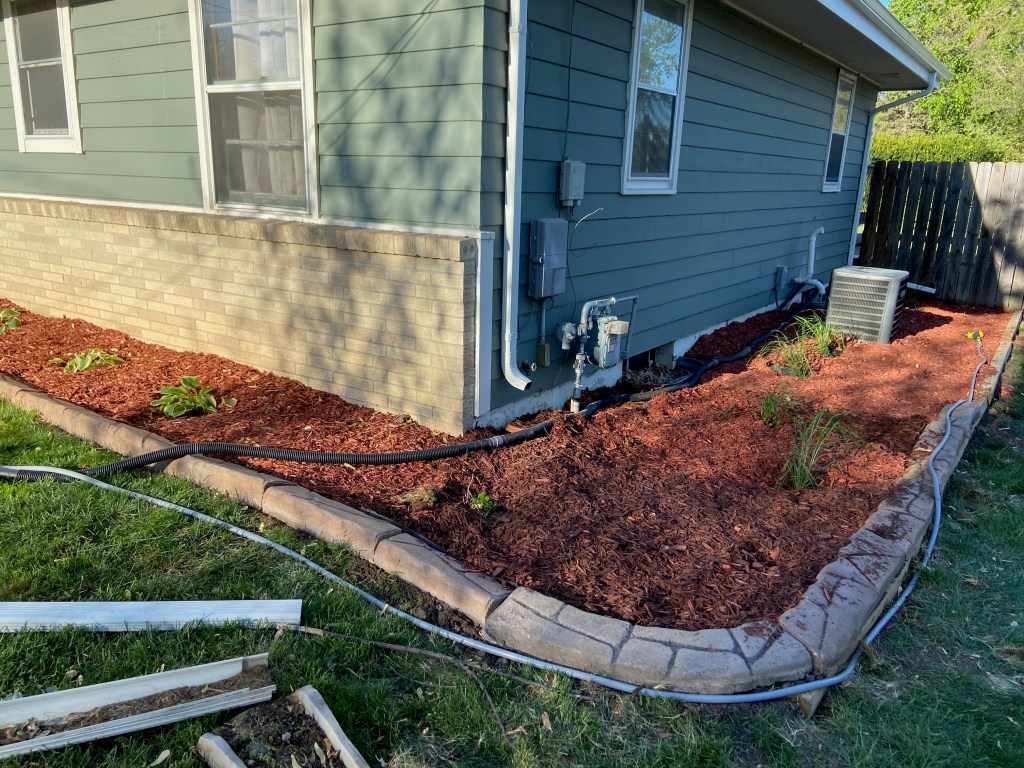
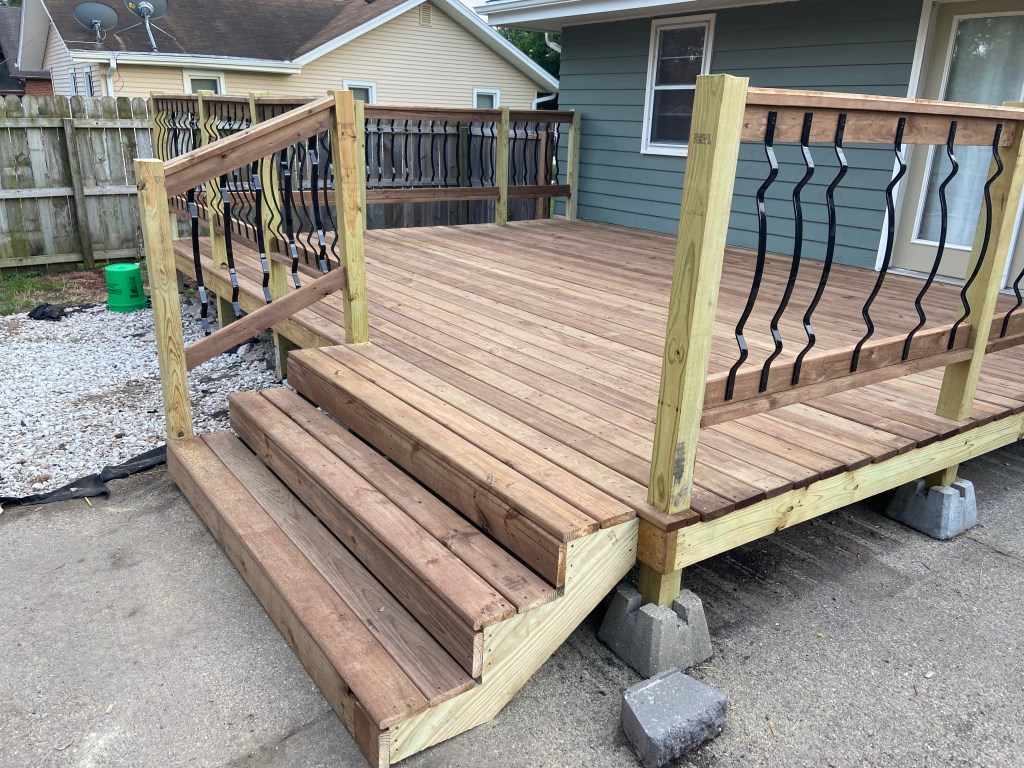
I don’t regret buying a house by any stretch of the imagination. Owning the house has changed me in ways I couldn’t have seen in 2016. I knew I needed to be prepared for all the costs involved with becoming a homeowner. I have had to replace the compressor on my air conditioning unit, buy a new clothes washer, fix my furnace and duct work in the basement, gut the basement and put new walls up, take a giant tree down in my front yard, tear down a rotting deck then build a new one, and the roof’s time will be coming soon. I haven’t even gotten to do projects that I help me enjoy stuff in my house more like better countertops. I have completed most of what I want to do on outside decor and plants. I wouldn’t change anything I’ve done. It’s just really difficult to get ahead so the next wave doesn’t wash me away. That reality has taken a toll on whatever value I placed on the emotional well-being before buying the house. Making money really does matter the most. Owning a house has 100% been the life changer it is billed to be.

2023 Week 10 Training Log

March 6 – 12, 2023

Mark Brown

March 13, 2023

Monday – Saturday
Scheduled rest – recovery

Sunday
Shoveled driveway – 10 minutes
Bench press, to chest standard grip – 135 x 10, 225 x 6, x 6, x 6, x 6; 235 x 6, x 3, x 3
Incline press, narrow grip – 185 x 6, x 6; 205 x 6, x 6
Flat tricep extensions, ez curl dumbbells – 55 x 12, 65 x 12, 75 x 10
Cable crossovers – 35 x 12, 50 x 10, 57.5 x 8
Lat pulldowns, MAG accessory – 42.5 x 12, 50 x 12, 60 x 12, 70 x 12
Seated tricep extensions, machine – 90 x 12, 100 x 12, 110 x 12, 120 x 12

Steps/miles
Monday – 21,186 steps, 9.62 miles. Tuesday – 18,829 steps, 8.61 miles. Wednesday – 22,372 steps, 10.25 miles. Thursday – 21,824 steps, 9.93 miles. Friday – 26,432 steps, 12.15 miles. Saturday – 2,836 steps, 1.32 miles. Sunday – 6,003 steps, 2.74 miles. Total (Through Saturday) – 119,482 steps, 54.62 miles.

Black Peppercorns

Whole or Ground

Mark Brown

March 8, 2023

Black pepper is the spice I used the most in cooking. It is only rivaled by kosher salt in terms of overall use. The combination of freshly ground black peppercorns and kosher salt creates a dynamic flavor that offers just the right level of heat for what I cook, especially the proteins I eat the most. I started buying whole spices from a dedicated spice store around 2009-10 and it really marks a serious change in my approach to cooking. Black peppercorns were at the top of the list of spices I was most interested in getting. There are a few different lessons I have learned about it over the years since becoming more serious about cooking. I’m sure some of the information in this essay will appear to be obvious or very well known but it is important to say regardless. Stay with me and I hope I can illuminate some things about it.

Spices are better when toasted and/or freshly ground. I don’t tend to do the former, though I have been often told from shows I watch on television I should. Black pepper is no exception to this process. The oils in the whole peppercorn are volatile, which explains why store-bought ground or pepper that was ground a few weeks ago can taste a bit stale. Toasting the peppercorns will intensify the flavor but doubles down on the volatility. For Indian curries or Mexican moles, this is a required step. However, it isn’t for everyday use, which is why I don’t do it.

Freshly ground black pepper, especially from quality dedicated spice stores or specialty markets, is a vastly different animal than traditional grocery stores. The flavor of it is far more intense because of the oils I talked about above. Different peppercorn varieties have different levels oils in them. The varieties also shown other varying characteristics as well. The size of the peppercorns themselves can be possible determinant for what is done with them. In my experience, store-bought peppercorns are too small to run through hand cranked pepper mills. Bigger varieties like India Tellicherry peppercorns, or ones that are even bigger, work very well in them. Pepper mills are designed to crack peppercorns into large chunks, rather than somewhat regular sized grinds and dust. I have one around my house but I rarely use it because I don’t cook meals where large chunks of black pepper are necessary.

Grinding spices is no different than grinding coffee. They are done with literally the same machine. I wouldn’t advise grinding coffee and spices in the same machine unless a cook wants the flavors to bleed into each other. A possibility, yes, but unlikely. Spice/coffee grinders come in different styles. Cheaper versions use blades to to the grinding. The spinning blades effectively cut the beans or spices to get to the desired “grind.” It is very much like the way food processors do with larger items. Burr grinders use stones in place of spinning blades. The result is a fairly irregular grind with both larger particles of pepper and a fair amount of pepper dust. It’s not all that different from the tea that is found in the bags bought at grocery stores in that way. The main difference between cheaper burr grinders and expensive ones is how loud they are in operation. I can confirm that “low end” burr grinders are really, really freaking loud. Like “competing with a television at full blast” loud. I’m single, live alone and don’t use the machine very often so it’s just the cost of doing business to me. For others, the loudness may be less desirable. Just know grinders that produce a lower audible sound cost considerably more. When I bought mine years ago, it was $50 or so. When I looked them up years later for my oldest brother, I noticed the quieter ones were $100 or so. I can’t imagine the cost has gone down in that time.

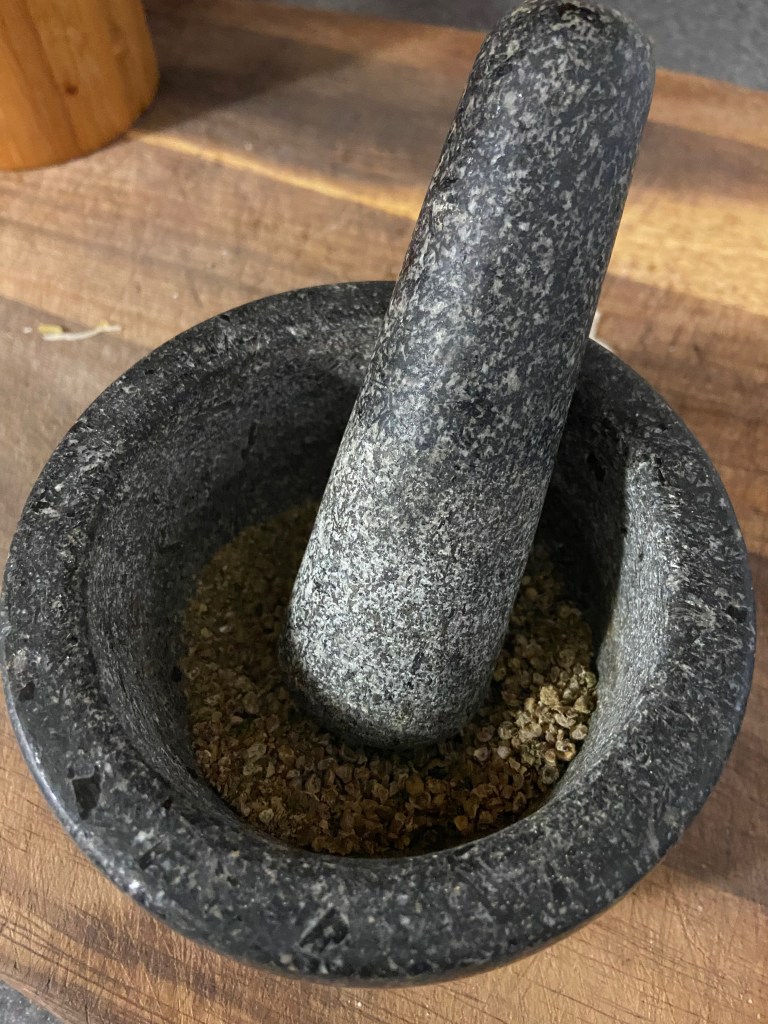
A different grinding option is a mortar and pestle. It is an ancient technology, so to speak. Basically, a mortar and pestle is a manually powered burr grinder. The mortar part is the bowl. It can be made out of just about anything heavy but stones like marble or granite are more traditional. The pestle is a piece of stone held in the hand, usually cylindrical in shape that is tapered on one end, and is used to first pound whatever is in the mortar physically against the walls of it. Four rougher grinds, just this pounding motion is likely necessary to achieve it. Finer grinds will require the cook to keep the fat end of the pestle against the bowl and grind the spices or whatever is in it until it gets to the desired state. It can be a time consuming process but it is the far more traditional way of grinding anything, It is used in every major food culture. Pounding spices into a grind produces a very different texture than cutting it does. This matters in some cases and not others. Mortar and pestles also do better with spices that are physically softer. Black peppercorns are very time consuming to break down this way. It’ll happen but it will be much longer than necessary because black peppercorns are very hard. I’ve used this older way to grind with cumin seeds and green peppercorn for much better results.

Whole black peppercorns are used as is for brines, marinades, pickling spices and dry cures for meats and vegetables. They don’t need to be broken down because most of what I just mentioned can take anywhere from 8 hours to 2 weeks or more to get the desired effect. I have employed a dry cure on a brisket for 5 weeks multiple times to make pastrami. The key to using whole peppercorns is understanding that all liquids, even water, are best at diffusing flavors from what is in them. That takes more time to complete. That makes dry cures, which are also known as dry brines, much more optimal for quick infusions of flavor, especially when paired with a Food Saver bag or like product. Some liquids will are better diffusers than others. Water is decent at it, but higher proof alcohol and vinegar, which used to be alcohol, are best. Vodka is my liquor or choice when I do liquid diffusions because it is so neutral in flavor.

Black pepper’s flavor is very strong. It can very easily dominate other spices and flavors from the food being seasoned itself. As a result, it can be a polarizing spice. Lighter flavored meats like chicken and leaner cuts of pork, which have been gaining popularity in diets over the last 30 years, are easy to over season with black pepper. I did it last week. I just ground some peppercorns in my burr grinder then used the grinds about as fast as I could on some boneless skinless chicken thighs. The only thing I could taste was that black pepper fire that makes people not like it. Beef’s natural big flavor stands up quite well the black pepper. There’s a reason why steak au poivre, French for steak in a black peppercorn sauce, is a classic French dish. Also, black pepper really sings on brisket, whether as pastrami, corned beef or freshly smoked. The reason for that is brisket takes so long to cook that the oils in the pepper grinds really have a chance to fully flavor the end product. Black pepper is a dominant spice in just about every Texas style brisket rub I have ever seen.

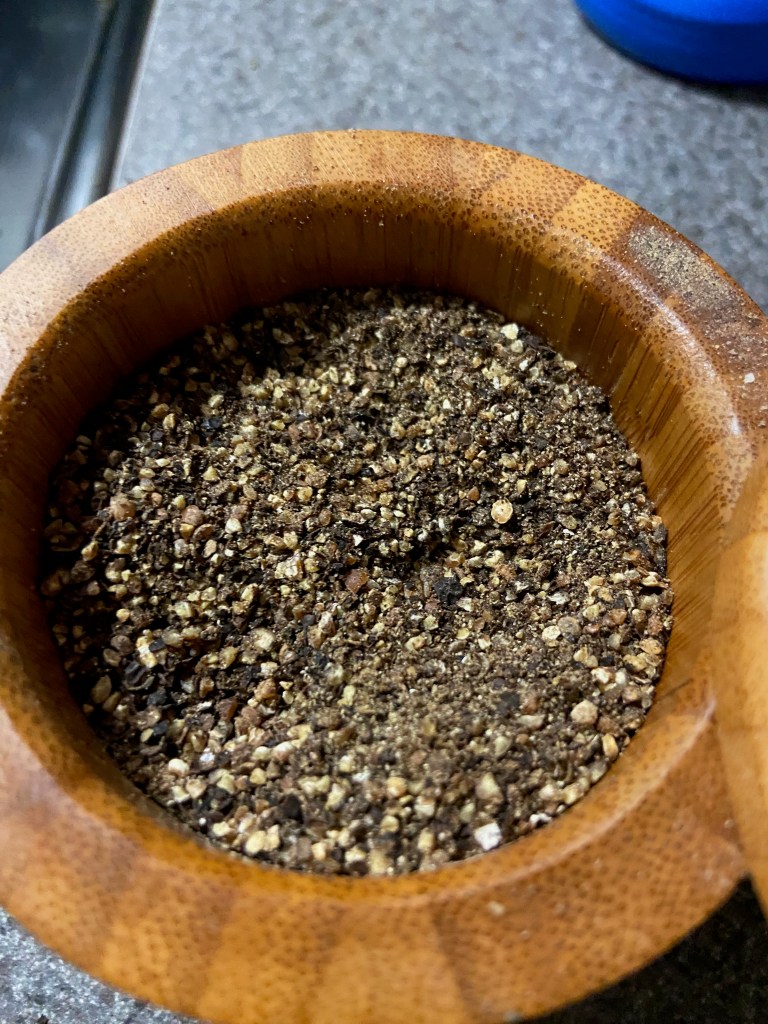
The main things I have learned from developing my own personal tasting palette and profile is buying from dedicated spice shops really helps attain a quality black peppercorn. I get mine from Penzey’s Spices. They used to have a physical store location here in Des Moines. It has since closed and I get them through he mail now. It costs me around $18 for a 13 ounce bag, Second, the size of the peppercorns matters a lot. Getting peppercorns that can actually be cracked in proper pepper mills is pretty essential because is opens all doors in the kitchen. Third, understanding what equipment to get for grinding is just an important as the 2 things I just mentioned. That leads to figuring out what coarseness setting to strive for when using the machine or mortar and pestle. The grinder I use has about 18 settings. I use a very coarse grind setting for pepper I use in every day cooking and a very fine grind for working into my house seasoning, which is very close to a traditional taco or blackening spice. I tend to grind enough pepper for about 3-4 weeks unless there’s a big roast in that time period. There’s no reason to grind pepper beyond that timeline. There really is a big difference from store-bought fine grind black pepper and what is fresh ground in house. My oldest brother mentioned it to me last year. He wondered why my black pepper was so much more pronounced than his. I highly encourage people to take spice grinding into their own hands. It’s so worth it.

2023 Week 9 Training Log

February 27 – March 5, 2023

Mark Brown

March 6, 2023

Monday
Scheduled rest day – recovery

Tuesday
Free squat, straight bar no belt – 135 x 6, 225 x 6, 315 x 3, x 3, x 3, x 3; 345 x 3, x 3, x 3, x 3
Straight leg deadlift – 315 x 3, x 3, x 3, x 3, x 3, x 3
Bent over barbell rows – 225 x 3, x 3, x 3, x 3, x 3, x 3, x 3, x 3
Abductor, machine – 295 x 50, x 50, x 50
Calf raises, seated leg press machine – 150kg x 40, 160kg x 30, 170kg x 25, 180kg x 20

Wednesday
Chest press, American cambered bar inner grip – 88 x 6, 128 x 3, x 3; 198 x 3, 208 x 3
Chest press, ACB narrow grip – 88 x 6, 128 x 3, x 3; 198 x 3, 208 x 3, 218 x 3, x 3
Chest press, ACB inside grip – 88 x 6, 128 x 3, x 3; 198 x 3, 208 x 3, 218 x 3, x 3; 228 x 3 x 3
Chest press, ACB butter grip – 88 x 6, 128 x 3, x 3; 198 x 3, 208 x 3, 218 x 3, x 3; 228 x 3 x 3
Incline dumbbell fly and narrow chest press, superset – 30 x 12( x 8), 35 x 12( x 8), 40 x 12(x 8), 45 x 12(x 6)
Muscle mace giant set, superset with fly/press – 50 x 10(x 8)(x 8), 55 x 10(x 8)(x 8), 60 x 10(x 8)(x 8), 65 x 10(x 8)( x 8)
Flat tricep extension, dumbbell R then L – 15 x 12( x 12), 25 x 12(x 12), 30 x 8(x 8)

Thursday
Scheduled rest day – recovery

Friday
Scheduled rest day – recovery

Saturday
Cleans, singles – 135 x 5, 155 x 5
Clean and push press – 135 x 6, 155 x 5
Sled push, 37 feet high push followed by low push lap – 240 x 4, 320 x 4, 420 x 4
Calf raises, seated leg press machine – 150kg x 40, 160kg x 30, 170kg x 25, 180kg x 20
Abductor, machine – 295 x 50, x 50
Flat leg curls, machine – 65 x 12, 80 x 12, 95 x 8
Leg Extensions – 115 x 12, 145 x 12, 175 x 8
Stair Climber Machine – 10 minutes

Sunday
Scheduled rest day – recovery

Steps/miles
Monday – 25,420 steps, 11.69 miles. Tuesday – 19,383 steps, 8.76 miles. Wednesday – 21,597 steps, 9.77 miles. Thursday – 22,299 steps, 10.22 miles. Friday – 23,355 steps, 10.79 miles. Saturday – 6,537 steps, 3.28 miles. Sunday – 4,518 steps, 2.35 miles. Total – 123,109 steps, 56.86 miles.

2023 Week 8 Training Log

February 20 – 26, 2023

Mark Brown

February 27, 2023

Monday
Scheduled rest day – recovery

Tuesday
Free squats, straight bar no knee sleeves – 135 x 6, 225 x 6, 315 x 3, x 3; 345 x 3, x 3; 365 x 3, x 3
Straight leg deadlift – 315 x 3, x 3, x 3, x 3, x 3
Bent over barbell rows – 225 x 3, x 3, x 3, x 3, x 3, x 3, x 3, x 3
Calf raises, seated leg press machine – 140kg x 40, 150kg x 30, 160kg x 25, 170kg x 20
Abductor, machine – 295 x 50, x 50
Leg extensions – 115 x 12, 145 x 10, 175 x 10, 205 x 8

Wednesday
Unscheduled rest day – weather

Thursday
Flat dumbbell press – 105 x 10, 110 x 10, 115 x 7, 120 x 5, 125 x 4
Flay tricep press, long dumbbell – 55 x 12, 75 x 12, x 12, x 10
Seated overhead press, dumbbells – 50 x 12, 55 x 12, 60 x 12, 65 x 8
Floor press, straight bar – 225 x 3, x 3, x 3, x 3, x 3, x 3, x 3, x 3
Flies, pec deck machine – 165 x 12, 180 x 12, 195 x 12, 210 x 10
Seated tricep extensions, machine – 90 x 15, 100 x 12, 110 x 12, 130 x 12

Thursday
Scheduled rest day – recovery

Friday
Scheduled rest day – extended recovery

Saturday
Cleans, singles – 135 x 5, 155 x 5
Clean and push press – 135 x 6, 155 x 5
Sled push, 37 feet high push followed by low push lap – 240 x 4, 320 x 4, 420 x 4
Leg press, low outside placement – 478 x 15, 568 x 15, 658 x 15, 748 x 15
Preacher curls, dumbbells L then R – 35 x 15(x15), 40 x 15(x 15), 45 x 15(x 15)
Calf raises, seated leg press machine – 150kg x 40, 160kg x 30, 170kg x 25, 180kg x 20
Abductor, machine – 295 x 50, x 50
Flat leg curls, machine – 65 x 12, 80 x 8

Sunday
Bench press, shoulder saver pad – 135 x 12(no pad), 225 x 6, 275 x 5, 285 x 3, x 3; 295 x 2, x 2
Incline press – 205 x 6, 225 x 3, x 3, x 3
Seated overhead press, American cambered bar – 128 x 6, 138 x 6, 148 x 3, x 3; 158 x 3, x 3
Tricep pushdowns, pronated grip – 70 x 12, x 12, x 12, x 12
Straight arm lat pulldowns – 70 x 10, x 10; 80 x 8, x 8

Steps/miles
Monday – 22,514 steps, 10.32 miles. Tuesday – 22,183, 9.99 miles. Wednesday 20,616 steps, 9.46 miles. Thursday – 20,329 steps, 9.11 miles. Friday – 22,158 steps, 10.28 miles. Saturday – 9,896 steps, 5.07 miles Sunday – 8,068 steps, 3.82 miles. Total (Through Saturday) – 125,764 steps, 58.05 miles.

Winter Training Note – New Lift Sequencing

More learning from the gym this Winter

Mark Brown

February 21, 2023

Over the past year I have been able to identify specific sequences of lifts that fit together very well for power, strength and muscular development. They are a combination of the main – supplemental – accessory lift structure I use as the core tenet of my programming philosophy. Last year I found it with the various pressing exercises I was doing. Over the last 2-3 weeks I have been feeling quite good about a few different sequences of lifts on leg/back days. The biggest reason behind it is my separation of my main squat movement from my main pull movement during the week. I have done what is effectively a main squat and a main pull on the same day in the garage for most of my time there. I decided to experiment splitting them up to see what kind of effect it has on my main pull, which was done now on Saturday not Tuesday. While I have finally managed to pull 415 from the floor with straps, a 10 pound increase from 2022, progress is better measured by added volume I do now and comfort level with the weight in my hands or on my shoulders.

That has been accomplished through mostly power based movements done at relatively high intensity for 6-8 low rep sets. I started doing bent over barbell rows last year after finally getting used to them. I narrowed in on a good weight, 225 pounds, to do them after I do my main or supplemental pulls. They are a very useful lift immediately following any deadlift variety but I have found one it particularly stacks up well with over the last 2-3 weeks. For the last 2 months, I have followed my main squat movement with a supplemental straight leg deadlift. The difference between the main pull and the supplemental is intensity. The latter is just a lighter lift done for more reps. Following the straight leg deadlift I tried to get on the leg press at the beginning the 2023, but it was hit or miss because Tuesday evenings at Genesis are fairly packed. I decided to push the leg press to Saturdays after my main pull in exchange for doing the barbell rows on Tuesday.

That decision unlocked lifting sequences on both days that really show promise going forward. I was using the straight leg deadlift as a supplemental pull for my main free straight bar squat because of heavier impact on the back and hamstrings. Tuesdays this winter have been quad dominant by intention so I thought that by doing a lift that focused on back and hamstring would be useful. The other reason for the straight leg deadlifts is because I don’t have access to my deadlift mats at the gym. I don’t fully straighten my leg during the movement but the knee joint itself never moves so I believe what I am doing qualifies as a straight leg deadlift. The leg press set up I was doing following this sequence was useful, as it was meant to be done with muscular development in mind than strength, but the bent over barbell rows doubled down on the feeling in my body I was getting while doing the straight leg deadlift. It made all 3 lifts more effective, which is the point of proper sequencing of lifts in a training program. It helps the lifter become more efficient and effective at the same time. I got 3 super effective lifts together and avoided a potential commercial gym snag in my program.

Pushing my leg press supplemental to Saturdays following my deadlift made it easier to get the lift done and focus strength development in the hip area. I had been working on it over the space of the last year by implementing barbell hip thrusts into my program on days I was at the gym. I was in an experimental phase with the lift, limiting the intensity. I now have a firm grasp of where the lift should be in terms of the weight, set and rep scheme. That is 3-4 sets of 12 reps at about 315 pounds. I would typically do the bent over barbell rows after the main pull on Saturdays. It is important to understand how changing my tactic when doing leg press really helped improve my Saturday leg/back sequence. In the past I have put my feet pretty firmly in the lower middle of the plate and shoulders width apart on the leg press machine. It’s where the feet go for max range of motion and quad activation. I decided mid-January to do a superset of 15 rep with my feet wide as possible on the corners of it plate, then 15 with my feet in the normal spot. That mix would hit both hips and quads with some serious burn. I was right about that. Over the last 2-3 weeks I have ditched the narrow foot width and just did the outside corner placement, then followed that with barbell hip thrusts. The sequencing of a main traditional full intensity pull – wide low foot placement leg press – heavy barbell hip thrusts in that order was a major discovery for me. I have felt an increase in middle and lower back strength over the last couple weeks, especially the rows.

What my biggest takeaway from learning both of these sequences is that I now have a better understanding of how each of these lifts can be most helpful. I have lifting sequences on each day I lift to help maximize my time in the gym. The funny part is that I learned it by merely switching the day I did barbell rows and leg press. I rarely deviate from my spot in the open rack when I go to Genesis on Tuesdays because I’m normally getting there around 3:30 and it starts to fill up around 4-4:30. Throw in the people who bench press on Tuesdays and it turns into a bad day to leg press. The logic pointed me to the ideal sequence of lifts and I just had to listen to what it was telling me. Chalk up one more victory for learning through experience. Tuesday’s new sequence can definitely translate to the garage better than Saturday’s because only the gym has a leg press. I will just have to do some more experimentation in the garage.

2023 Week 7 Training Log

February 13 – 19, 2023

Mark Brown

February 20, 2023

Monday
Scheduled rest day – recovery

Tuesday
Free squat, straight bar – 135 x 6, 225 x 6, 315 x 3, x 3; 345 x 3, x 3; 365 x 3, x 3; 385 x 3, x 3; 405 x 1, x 1
Straight leg deadlift – 315 x 3, x 3, x 3, x 3, x 3
Bent over rows, straight bar – 225 x 3, x 3, x 3, x 3, x 3, x 3, x 3, x 3, x 3
Calf raises, seated leg press machine – 140kg x 40, 150kg x 30, 160kg x 25, 170kg x 25
Abductor, machine – 295 x 50, x 50
Leg extensions – 115 x 12, 145 x 10, 175 x 10, 205 x 8

Wednesday
Bench Press, to chest – 135 x 6, 225 x 6, 245 x 3, x 3; 255 x 3 x 3; 265 x 3, x 3
Seated overhead press, dumbbells – 50 x 12, 55 x 12, 60 x 12, 65 x 8
Seated overhead tricep press, long dumbbells – 55 x 12, 65 x 12, 75 x 12, 85 x 12
Tricep pushdowns, pronated grip – 72.5 x 15, 80 x 15, 87.5 x 12, 95 x 10
Chest press, isolateral wide press machine, per hand – 90 x 8, 115 x 8, x 8, x 6, x 6
Side lateral raises, machine – 80 x 12, 95 x 12, 110 x 12
Pec flies, machine – 105 x 12, 135 x 12, 165 x 12, 195 x 12
Seated tricep extensions, machine – 90 x 12, 100 x 12, 110 x 15, 120 x 12

Thursday
Scheduled rest day – bad weather, shoveled driveway

Friday
Scheduled rest day – extended recovery

Saturday
Cleans, singles – 75 x 5, 135 x 5
Clean and push press, singles – 135 x 5, 155 x 5
Sled push, 37 feet high push followed by low push lap – 90 x 4, 180 x 4, 270 x 4, 360 x 4
F8lat leg curls – 65 x 12, 80 x 12, 95 x 8
Calf raises, seated leg press machine – 140kg x 40, 150kg x 30, 160kg x 25, 170kg x 20
Abductor, machine – 295 x 50, x 50

Sunday
Bench press, banded – 135 x wide, x 6 inside; 205 w/70 lb bands x 6, 225 w/70s x 3, x 3; 235 x 3, x 3; 205 w/100 lb bands x 3, 215 w/100s x 3
Incline press, straight bar – 185 x 6, 225 x 3, x 3, x 3
Viking press – 160 x 12, 185 x 12, 185 w/ 30 lb chain x 10
Incline press, dumbbells – 80 x 12, 85 x 12, 100 x 9, x 8
Tricep pushdown, v shape attachment 70 x 12, 75 x 12, 80 x 12, 85 x 12
Dumbbell flies – 35 x 12, 40 x 12, 45 x 12

Steps/miles
Monday – 21,780 steps, 9.88 miles, Tuesday – 25,610 steps, 11.55 miles. Wednesday – 25,168 steps, 11.32 miles. Thursday – 20,720 steps, 9.38 miles. Friday – 22,696 steps, 10.4 miles. Saturday – 11,467 steps, 6.06 miles. Sunday – 6,100 steps, 2.94 miles. Total – 133,541 steps, 61.53 miles.

The Hare Was An Idiot

Photo by phil on Pexels.com

Be a Better Front-Runner

Mark Brown

February 16, 2023

The story of the race between the tortoise and the hare is a very old story, by contemporary standards. It is a very basic one that reinforces that importance of never stopping movement towards the goal. There is a lot more to get out of it than just a beware the consequences of arrogance. That’s not even my lead takeaway from the story. That would be that hare was a terrible front-runner. We have seen tremendous performances in athletic events from both the front-runner and chase positions. The latter tends to get the most of the attention because it tends to coincide with an underdog role. When a team goes starts to fall behind, they become the underdog in the game, regardless of the role they had going into it. People say they love to underdogs but anyone with a brain would rather play from ahead or their favorite team or athlete. It’s just a more advantageous position. It’s never necessary to start losing to start giving more or better effort. There are ways to play from ahead that don’t involve losing that competitive edge that got people there in the first place. The story of tortoise and the hare is much more than how conceited behavior leads to negative consequences.

Front-running is an important skill to develop for both life and competition. The concept can go by many names and anachronisms. “Closer,” “knowing how to shut the door,” “putting the foot on the neck,” “running the opponent out of the building”, and numerous other things said by broadcasters during sporting events are all ways front-running is referred to. The ability to play from ahead is something I take very seriously when I am at work. I know at any point in the day something catastrophic can happen to any of the equipment that I am dependent on to complete the tasks I am assigned to do. The ability to learn how to play the game from ahead helps mitigate possible distractions and breakdowns. My experience with it makes me value the grind and the need to constantly be getting something productive done more than anything else. This is ultimately what the hare gets gets wrong by stopping and smelling the roses, so to speak, during the story. Once the race has started, whatever that happens to be, stopping is not allowed. Keep eyes on the prize. Good front-runners never forget the goal, which is a lot easier to do than it sounds like it should. Sometimes it gets met and other time it doesn’t. Some of that comes from failing to play from ahead well and some from blatant dumb luck that can’t be accounted for ahead of time.

The temptation to stop, take a look around, taunt the opponent, play to the crowd, take in the environment, etc before the race or gamer has been won is great. It’s that way more than ever because people are encouraged to be more mindful of their surroundings than when I was growing up. I’ve heard countless athletes talk about how they never stopped to smell the roses during their careers because it’s too hard to do that and compete at the same time. As a result, players, especially professional athletes, build better relationships with their peers after the careers are done. They simply didn’t have the time and/or energy to be able to spend with them. Competition is a cruel mistress. Sports is where dreams literally compete with each other on the field, race track, or wherever competitions are held for dominance. Want to be the best? Something has to get sacrificed. Odds are one of things to get the guillotine is relationships with people on the fringes of one’s circle of friends. This is as true for athletes as it is people who work regular paying jobs. Being prepared for the next work day is important, so even when being off the clock it’s advantageous to be in front of what could be. This is part of why the importance of sleep is being hammered into our heads by everyone in the medical field and by the athletes we watch on television. There’s no stopping and relaxing, but one can’t afford to be slow either. Consistent success comes from kicking ass all the damned time, even in the slower moments.

Focused effort is what is required to make sure that strides forward can be maintained on a daily basis. The most important thing to develop from the daily improvement is confidence. When people talk about “momentum” being lost in a game, it’s much more a case of confidence in the ability to win that day than anything else. Sometimes that feeling will linger into the days, weeks or even months that follow a particular outcome. It’s why the “burn the tape” approach has to be applied sometimes. The ability to maintain a high confidence level is what separates people who are good at front-running and those who aren’t used to doing it. The yo-yo effect is real and it is quite difficult to overcome. There’s no shortage of doubts that come through. I face them every time I go the gym for a lifting session. Pushing to the limits of what can be on done on a particular day is necessary. I can’t just not do it because I don’t “have it” that day. Confidence is important because it is central to allowing people to put their best effort forward. It’s startlingly easy to see when confidence is starting to wane. The gestures by individuals or teams directly tied to the results of a play are easy to pick up on. Effort, the thing that less skilled people use to catch up to those more skilled, becomes a casualty when confidence is lost. That can be seen in a variety of ways. Most of it is a lack of hustle and/or attentiveness. It’s evidence the mind and body aren’t working together.

The first clip in this compilation is something that stuck in my head.

Skilled front-runners have the ability to impose their will on the world around them. This is more apparent in athletes than any other place because of the nature of how sports competitions are organized and viewed around the world. It certainly isn’t limited to athletic fields, though. I recognize it at work all the time. Being a good front-runner is a part of becoming a good leader. The ability to bring everybody’s level up to complete a team based task is all about keeping confidence high. People’s effort level decreases or disappears altogether when confidence gets lost. This works the other way as well. When facing an opponent, the goal is to cut their confidence to the point that they quit competing so hard. In this way, the goal is to create multiple foes for the opponent. This is the most common root cause of a momentum shift in a game.When the wave hits hard enough, the opponent’s will to fight can be extinguished entirely. Even highly competitive athletes with stories to corroborate reputed psychopathic work ethic can be brought to heel. I watched the Boston Celtics kill Kobe Bryant’s competitive will in the 2008 finals and LeBron James’ in the 2010 playoffs. No one is immune to having their confidence wilted right in front of their own eyes. This happens in professional golf tournaments every week. People watching can see the golfers understand the moment they can’t win the tournament but can make the most amount of money they can.

More college football games see this willpower destruction happen then NFL games, but I can definitely think of some from both levels that stick out. The 2014 Rose Bowl featuring Oregon and Florida State in the semi final of the initial College Football Playoff was a game that showed how front-running is done. Oregon took Florida State’s heart early in the game then submitted them. Alabama, Georgia, Ohio State, and Clemson have done this a lot over the last 10-13 years. I was always keenly aware of the scores of the games when Iowa State played Nebraska because I grew up in central Iowa in the 1980s and 90s. The latter stomped multiple muddles in the former, sometimes to the tune of 70 point victories. The talent gap between elite college football programs and ones below it can create atmospheres that make games like the 2014 Rose Bowl a regular occurrence at the FBS level. Georgia’s 2023 college football playoff road shows this very distinctly. Ohio State was a physical, emotional, and mental match for for them. TCU wasn’t. The games showed that.

NFL games are generally tighter that their college football counterparts. It’s one of the most fascinating things about watching them on Sundays, or whenever they get held. I have mentioned to a friend at work about how crazy the games feel when watching, especially the games that feel like blowouts but turn out to be a 1 score or barely over in the final score. That’s significant because it means that the games come down to just a few decisions by everyone involved. Becoming a better front-runner is a much more important skill to develop here because that talent gap is oftentimes minuscule. One of the best NFL games to see the effect of good front-running is the 59-0 beatdown by the New England Patriots put on the Tennessee Titans in 2009. It is one of the most instructive games to watch. It could have easily been one of those 77-0 or worse massacres that is sometimes seen in college football. Tom Brady threw 6 touchdowns, 5 of them in the second quarter alone, en route to a 45-0 halftime score in the snow. The Patriots scored on their first 2 drives after halftime then pulled the starters and the game went on for another couple uneventful hours until the game was mercifully over. What’s most fascinating to me for the purposes of this essay is how easily this could have been the biggest blowout in NFL history had Bill Belichick, the head coach of New England, wanted to rain points on the Titans like a college football coach intent on impressing poll voters. In a vacuum, this game stands out from the other big blowouts that happen occasionally during the season. That first half was something special. It shows why the hare was an idiot. One can only stop in the middle of the race when they have taken the opponent’s heart and made them quit the race. Good front-runners make people quit competing.

This understanding becomes more obvious when watching games and competitions where that doesn’t happen. Behind becoming the victim of any big comeback in any game or contest is a failure to destroy the opponent’s confidence level. In all of these comebacks, there are a cascading series of effects that stem from the failure I just mentioned. If the opponent starts to see success and is allowed to keep happening, their energy level increases dramatically. Anyone’s confidence level is easy to identify because their energy level correlates to it very well. “Energy” in this case usually indicated by the amount of effort anyone gives in whatever they are doing. Therefore, effort level derives straight from confidence level. What happens when the opponent starts to develop confidence in their abilities at the start of a comeback is that the team or player getting come back on starts to doubt their own ability. What’s important to note here is that this happens at all levels of effort. So much of what makes athletes special is the ability to be instinctive and react to uncertain situations in the moment with conviction and intelligence. Doubt and/or lack of confidence creates an environment where that doesn’t happen. One of the most popular way of phrasing it is that someone is suffering “paralysis by analysis.” The effect of doubt on decision making, especially in sports that dominantly involve zero sum consequences, can’t be overstated. That’s why confidence can’t be allowed to slip when involved in a competition.

There are tons of games across all sports every year in which big comebacks are made but the one that stands out as a shining lesson of why killing the opponent’s confidence level is so important is Super Bowl 51, played in February of 2017. It’s the game that defined the last third of Tom Brady’s career. Down 28-3 in the after the Atlanta Falcons first drive of the third quarter, he led the Patriots to a 34-28 overtime victory. What’s particularly interesting about this game to me is that anyone watching can see the effects of the Patriots confidence rising in the second half on Atlanta Falcons players and coaching staff. Brady was known for never being out of a game but coming back from this deficit in a Super Bowl was unprecedented so game narrative and situation were all blending together to create this comeback. When someone as credentialed as Brady is in the rear view mirror, suppressing his confidence level is the best anyone will do. That’s why I have heard him and the Patriots teams of the 2000 and 2010s referred as being the sports allegory for horror movie villains like Jason Vorhees. It’s a remarkably accurate comparison. After the Falcons scored to make it 28-3, the general consensus from those watching was the game was over. Jason was dead. Then he just got back up to start killing people again because that’s what he does.

Some of the statistics in this game are kind of mind blowing. The Falcons defense faced 94 plays, all told. That’s modern college football territory. NFL teams rarely come close to that number of offensive snaps in any given game, much less the most important one of the season. It is ultimately the biggest reason why they lost the game. Falcons defensive players were just gassed. I can tell anyone from experience in the gym that when the body gets pushed past it’s physical limit, it just doesn’t respond as effectively or efficiently. It wouldn’t be any different on a football field. What led to that workload for the Atlanta defense is decisions that were made by the offensive coaching staff and player that executed them on the field. A 28-3 lead with 22 minutes of game time left creates unique time sensitive situations for each team. For the Falcons, they merely needed to get the game to 0:00 on the game clock. The Patriots needed to force mistakes and capitalize on every single one of them in a timely manner to even have a chance to win. The challenge for the Falcons in this case was that typical strategy involved in burning clock would have involved them changing the personality of their offense, which was a dynamic downfield passing game highlighted by wide receiver Julio Jones. After the game, then offensive coordinator and current 49ers head coach Kyle Shanahan defended his play calling by stating the runs they attempted, which is standard strategy for teams with big leads, failed so he just stuck with what they were best at. The Falcons inability to deliver the kill shot when they needed to do so cannot be understated.

This game also shows everyone watching something about being a front-runner in the lead of a game or competition in a much higher level of doubt. In these kinds of games, each individual decision can lead directly to victory or defeat. Being able to adjust to any given circumstance in the moment and make the decision that makes situational sense will probably end up being the difference in the game. Belichick often talks about the importance of complementary football. That means being able to protect the defense from getting worn down by being able to sustain drives, putting the opponent in adverse field positions, forcing decisions to be made via game situation, and so many other things I could list. Maintaining confidence will keep the effort level high mentally, emotionally and physically. Slipping in any one of those areas may well be enough to lose the game, race or competition if the opponent is able to capitalize on it. That’s what New England did in Super Bowl 51. Yes, there will be times when one will be competing with someone whose talent wins out. If it does happen, the person who lost can at least hold their head high, look in the mirror and tell themselves they did the absolute best they could. It helps build the drive, determination and discipline of both the winner and the loser. The latter knows what they have to do improve while the former knows what they need to do to stay on top.

The story of the race between the tortoise and the hare is one about how to be a bad front-runner and the importance of maintaining confidence and effort throughout the competition. This lesson can be applied to every day life just as easily as it can be to any race, game or competition. Daily improvement is about being better today than one was yesterday. Developing the front-runner skill allows someone to put their best foot forward confidently and get the benefits from it. Life is a constant test that needs to be met with conviction. Don’t be the hare and stop to rest in the middle of the race when the opponent hasn’t quit yet. Just understand there are consequences for never stopping.

2023 Week 6 Training Log

February 6 – 12, 2023

Mark Brown

February 13, 2023

Monday
Scheduled rest day – recovery

Tuesday
Free squat, straight bar – 135 x 6, 225 x 6, 315 x 3, x 3; 345 x 3, x 3; 365 x 3, x 3; 385 x 3, x 2
Straight leg deadlifts, stiff bar – 315 x 3, x 3, x 3, x 3, x 3, x 3, x 3
Bent over rows, straight bar – 225 x 3, x 3, x 3, x 3, x 3, x 3, x 3, x 3
Calf raises, seated leg press machine – 140kg x 40, 150kg x 25, 160kg x 25, 170kg x 20
Abduction, machine – 295 x 50, x 50
Leg extensions – 115 x 12, 145 x 10, 175 x 10, 205 x 10

Wednesday
Chest press, American cambered bar inside grip – 128 x 3, x 3; 198 x 3, 208 x 3, 218 x 3
Chest press, acb narrow grip – 128 x 3, x 3; 198 x 3, 208 x 3, 218 x 3, 228 x 2
Chest press, acb third grip – 128 x 3, x 3; 198 x 3, 208 x 3, 218 x 3, 228 x 2
Chest press, acb outside grip – 128 x 3, x 3; 198 x 3, 208 x 3, 218 x 3, 228 x 3, 238 x 1, x 1, x 1
Flat dumbbell press – 100 x 6, 110 x 4
Dumbbell flies, flat – 30 x 12, 35 x 12, 40 x 12
Muscle mace giant set – 50 x 10(x 10(x 10), 55 x 10(x 8)(x 8), 60 x 8(x 8)(x 8)
Straight arm lat pulldowns – 70 x 10, x 10; 80 x 8, x 8
Side lateral raises, dumbbells – 10 x 12, 150 x 12, 20 x 12

Thursday
Unscheduled rest day – recovery

Friday
Scheduled rest day – recovery

Saturday
Deadlift, from floor – 135 x 6, 225 x 6, 315 x 3, x 3; 365 x 3, x 3; 385 x 1, x 1, x 1
Leg press, wide low placement – 478 x 15, 568 x 15, 658 x 15, 748 x 15
Hip thrusts, barbell – 275 x 12, 315 x 12, x 12
Leg curls, laying flat – 65 x 12, 80 x 8, 95 x 8
Abduction, machine – 295 x 50, x 50 x 50

Sunday
Bench press, bands – 135 x 6, 185 w/ 70lbs bands – x 6, 205 w/70s x 6, 225 w/70s x 3, x 3; 245 w/70s x 2, 225 w/100 lb bands x 2
Incline press – 185 x 6, 205 x 6, 225 x 3, x 3
Viking press – 140 x 12, 165 x 12, 190 x 12
Tricep pushdowns, v shape attachment – 70 x 12, 75 x 12, 80 x 12, 85 x 12
Incline dumbbell press – 65 x 12, 70 x 10, 75 x 12, 80 x 12

Steps/miles
Monday – 22,058 steps, 10.03 miles. Tuesday – 24,406 tips, 11.17 miles. Wednesday – 22,553 steps, 10.13 miles. Thursday – 21,224 steps, 9.61 miles. Friday – 22,575 steps, 10.23 miles. Saturday – 6,926 steps, 3.51 miles. Sunday – 6,151 steps, 2.79 miles. Total – 125,893 steps, 57.47 miles.

2023 Week 5 Training Log

January 30 – February 5, 2023

Mark Brown

February 6, 2023

Monday
Scheduled rest day – recovery

Tuesday
Free squat, straight bar – 135 x 6, 225 x 6, 315 x 3, x 3; 245 x 3, x 3; 365 x 3, x 3; 385 x 3, x 3
Straight leg deadlift, from floor – 315 x 3, x 3, x 3, x 3, x 3, x 3
Barbell rows, bent over – 225 x 3, x 3, x 3, x 3, x 3, x 3, x 3, x 3
Calf raises, seated deadlift machine – 140kg x 40, 150kg x 25, 160kg x 25, 170kg x 12
Adduction, machine – 295 x 50, x 50
Abduction – 170 x 12, 295 x 10, x 10, x 10
Leg extensions, machine – 115 x 12, 145 x 12, 175 x 10, 205 x 8

Wednesday
Flat dumbbell press – 75 x 12, 105 x 10, 110 x 10, 115 x 8, 120 x 5, 125 x 3
Seated dumbbell overhead press – 50 x 12, 55 x 12, 60 x 9, 65 x 7
Chest press, iso-lateral wide press machine, unilateral simultaneous – 90 x 8, x 8, 115 x 6, x 6
Straight arm lat pulldowns – 72.5 x 12, x 12; 80 x 10, x 10
Side lateral raises, machine – 80 x 12, 95 x 12, 110 x 12, 125 x 10
Pec fly, machine – 105 x 12,135 x 12, 150 x 12, 165 x 12
Rear deltoid fly, machine – 105 x 12
Seated tricep extension, machine – 90 x 15, 100 x 12, 110 x 12, 120 x 12

Thursday
Tricep pushdowns, pronated grip – 50 x 15, 57.5 x 12, 65 x 12, 72.5 x 12, 80 x 12, 87.5 x 12
Cable curls, narrow grip – 42.5 x 12, 50 x 12, 57.5 x 12, 65 x 12
Seated overhead tricep press, narrow grip ez curl dumbbells – 45 x 12, 55 x 12, 65 x 12, 75 x 12
Dumbbell curls, alternate twist – 35 x 10, 40 x 10, 45 x 10
Preacher curls, dumbbells R then L – 35 x 12(x 12), 40 x 12(x 12), 45 x 10( x 10)
Tricep pulldowns, single arm cable only R then L – 10 x 30(x 30, 15 x 25(x 25), 20 x 15( x 15), 25 x 12( x 12)

Friday
Scheduled rest day – recovery

Saturday
Deadlift, from floor – 135 x 6, 225 x 6, 315 x 3, x 3; 365 x 1, x 1, x 1; 385 x 1, x 1, x 1
Leg press, low outside then inside narrow superset – 478 x 15( x 15), 568 x 15( x 15), 658 x 15(x 15), 748 x 15(x 10)
Hip thrust, barbell – 275 x 12, 295 x 10, 315 x 12
Leg curl, single leg machine R then L – 53 x 12( x 12), 68 x 10( x 10), 93 x 8(x 8)
Calf raise, seated leg press machine – 140kg x 40, 150 kg x 30, 160kg x 25, 170kg x 15
Abduction, machine – 295 x 50, x 50, x 50
Adduction, machine – 295 x 10, x 10, x 10

Sunday
Bench press, to chest – 135 x 6, 225 x 3, x 3; 245 x 3, x 3; 255 x 3, x 3, 265 x 3
Incline press – 155 x 6, 185 x 6, 205 x 3, x 3; 215 x 3, x 3
Standing overhead press, straight bar – 135 x 3, x 3, x 3; 145 x 3, x 3, x 3; 155 x 3, x 3
Tricep pushdowns, v shape attachment – 72.5 x 12, 80 x 12, 87.5 x 12, 95 x 10
Lat pulldown, pronated grip – 42.5 x 12, 50 x 12, 60 x 12, 70 x 12
Tricep dip – 90 x 12, 105 x 12, 120 x 12

Steps/miles
Monday – 21,163 steps, 9.65 miles. Tuesday – 25,096 steps, 11.26 miles. Wednesday – 22,733 steps, 10.26 miles. Thursday – 22,342 steps, 10.09 miles. Friday – 23,167 steps, 10.69 miles. Saturday – 7,816 steps, 3.55 miles. Sunday – 6,831 steps, 3.25 miles. Total – 129,148 steps, 58.75 miles.